

7 Tips for Hiking in the Summer
Summer is upon us! I wrote about spring hiking tips a couple months ago and now it is time to discuss tips for hiking in the summer. This season melts the mountains so we can shed our winter clothes, swim in pristine water sources, and hit our favorite trails. Depending on where you live, summer might also mean blistering temperatures. With warmer weather, longer days, and busy outdoor recreational areas, there are a few things you should know about hiking in the summer. Stay safe in the heat and know the basics of hiking in the summer for a successful hiking adventure!
Also, if you’re planning to go hiking or campaign this summer, make sure to click the link below and check out our deals page for exclusive discounts & coupons on top branded outdoor gear!
Access Coupons
1. Plan Ahead
As always, I recommend planning ahead before you head out on the trail. Not only should you check the weather but also research or ask a ranger for the follow information:
-
Water Sources
- Lack of Water
- Depending on where you are hiking, water sources that were once gushing with water in the spring might have dried up in the hotter months. Always ask a park ranger before heading out on the trail about the status of water sources. While hiking in Texas, I had to carry my own water. If this the case for you, you should carry one gallon (almost 4 liters) of water per person per day if you plan on camping. This should suffice for drinking, cooking, and cleaning your cookware.
- Excess of Water
- On the opposite end of the spectrum, some sources might be swelled with water. You might actually have to ford rivers to continue your hike. Once again, check with park rangers to know exactly what trails to avoid or where to expect to ford rivers. Always be careful in fording rivers. Never ford a quickly moving river.
- Lack of Water
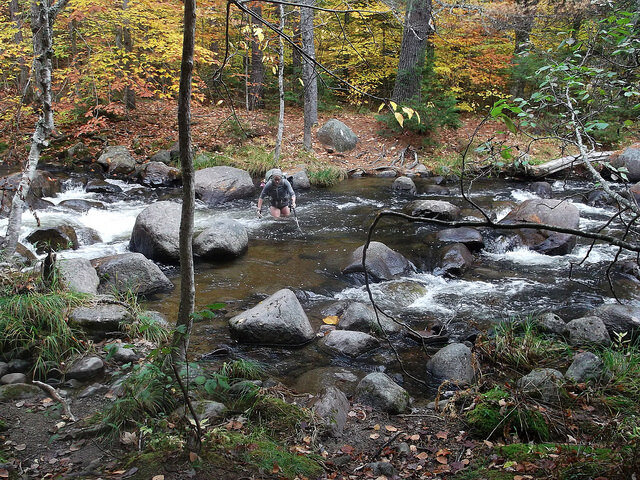
Fording a River in Maine, USA
-
Expect crowds
- The summer months bring out hibernating hikers that have been hiding all winter long. You should expect crowds especially around holidays and weekends. If you live in a vacation destination area like I do (Colorado, USA), expect crowds every single day of the week. Avoid the herd by getting an early start!
2. Stay Hydrated
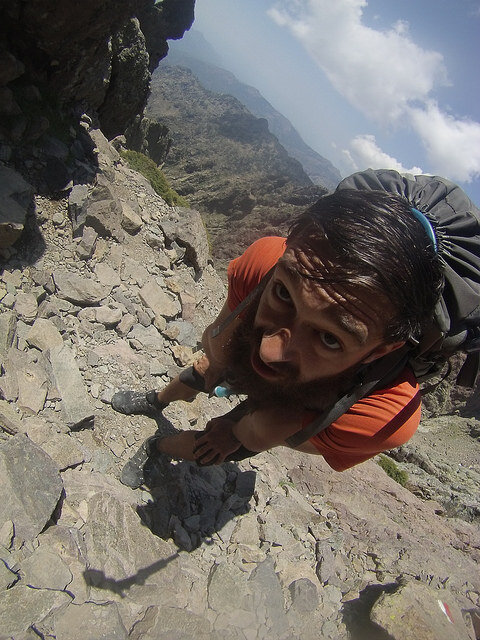
My sweaty fiance while hiking the Cirque du Solitude on the GR20 in Corsica, France.
Hydration is extremely crucial during hot summer months. Avoid a rescue team by being smart about your water consumption and the amount of water you bring with you. Always bring more water than you think you should bring especially if you are hiking in an area with no water sources. If you are on a day hike, I recommend carrying about one liter per 4-5 miles (6-8 km) depending on your hiking pace. Of course, you can carry less if you hiking in an area rich in water sources.
-
Pre-hydrate
- Drink water BEFORE you head out on the trail. I try to guzzle down at least a half of a liter of water before I even hit the trail. I’m a thirsty person usually so pre-hydration is necessary for me.
-
Drink Water Often
- If you are new to hiking, you actually might forget to drink water. This is normal because you are focusing on the weight on your back or the toughness of the hike. My first couple backpacking trips were in desert-like environments. I was with a couple friends and my fiancé. My fiancé is ex-military so every 15 minutes or so he was yelling “HYDRATE!” This helped me get into the groove of regularly drinking my water. To make drinking your water easier, I recommend either carrying your water bottle in your hand (so you don’t have to stop and take it out of your pack) or invest in a water bladder with an attached mouth nozzle.
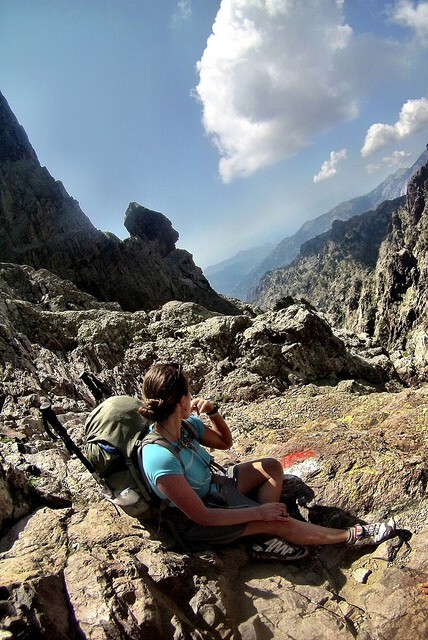
Taking a break to drink some water from my water bladder while hiking on the GR 20 in Corsica, France.
-
Have an Electrolyte Replacement
- Electrolytes are lost when you sweat. Electrolytes are positive and negative ions that help maintain the fluid in your body as well as aid in muscle contraction and neural (nervous system) activity. I ALWAYS recommend an electrolyte replacement during hot summer month activities. You can carry a sports drink or, if you are trying to cut weight in your pack, purchase sports drink powder packets or these Nuun tablets which are awesome.
-
Check Urine
- Your urine will tell you if you body needs water or not. I always check the color of my urine during hiking so I know if my body is getting enough water. If your urine is a light, nearly clear color than you are in the clear! If your urine is dark or very yellow, you should be drinking more!
3. Protect Yourself from the Sun
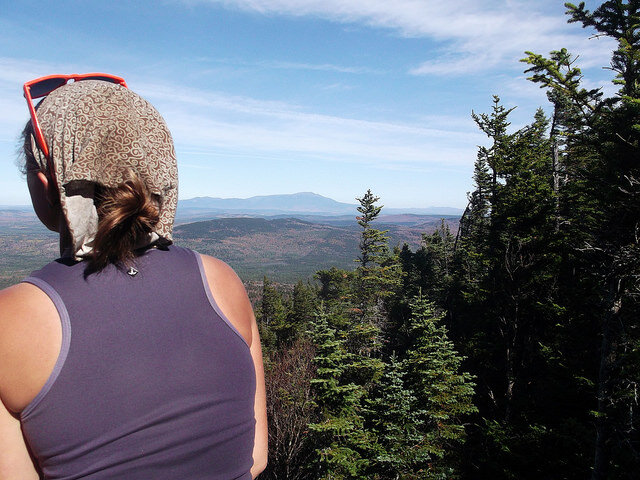
Exposed shoulders to the sun’s rays in Maine, USA
The sun’s rays can turn a good hiking trip into a bad one. Protect your skin from the sun by keeping these tips in mind:
-
Avoid Hiking in the Hottest Part of the Day
- Depending on the type of climate you are hiking in, the hottest part of the day can vary. As always, I recommend planning ahead by checking the weather and knowing the daily temperatures. Just for a generic reference, avoid hiking from 11 a.m. to 4 p.m.
-
Embrace the Longer Days
- You might think avoiding hiking during the hours of 11 a.m. to 4 p.m. will cause low-mileage hiking days. However, summer days are long and you can get in a good amount of miles from sunrise to 11 a.m. and from 4 p.m. to sunset. In my neck of the woods in Colorado, the sunrises at around 5:30 a.m. and the sunsets around 8:30 p.m. So, don’t be afraid to embrace those long summer days!
-
Sunscreen
- Never forget to bring sunscreen while hiking, even if you plan on going a couple miles. Most definitely wear sunscreen on your face, shoulders, ears, and back of the neck but if you have very fair skin don’t be afraid to lather it on all over! I knew of a hiker that was hiking in a very granite-rich hiking area. The granite actually reflected the sun’s rays back at him and he got sunburned underneath his chin. Just goes to show that some random spots of your body can still be exposed to the sun’s rays!
-
Hat
- Wearing a hat can save your scalp from painful sunburn as well as block the sun’s rays from hitting your face.
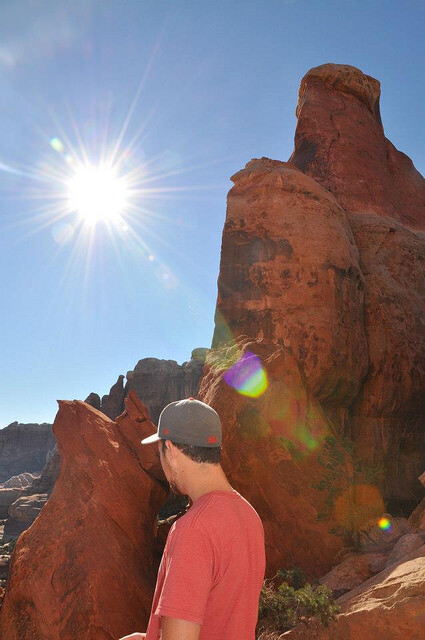
Beating sun in Canyonlands National Park, Utah, USA
-
Sunglasses
- Sunglasses are always a must for me. Believe it or not, your eyes are actually very sensitive to the sun’s rays and they can get burned. Wear polarized lenses to reduce the sun’s glare so you can see more clearly during very intense sun.
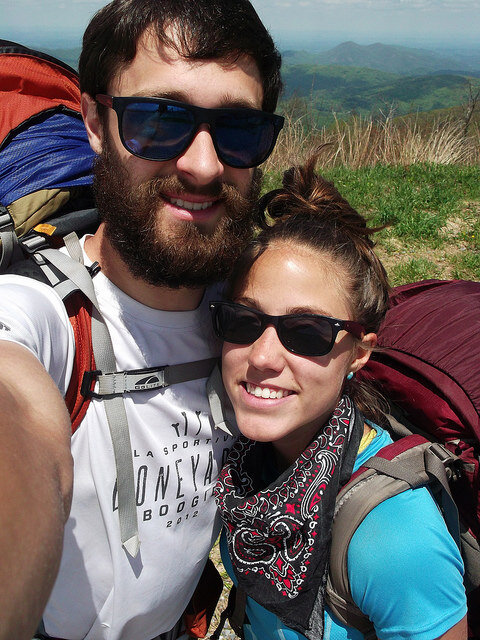
Sunglasses on the trail in Tennesse, USA.
4. Wear the Right Clothing
Wearing the right clothing will make your hike so much more enjoyable.
-
Avoid Cotton
- ALWAYS avoid cotton while hiking, no matter what season. Cotton absorbs odors and takes a long time to dry. I recommend wearing polyester, poly-blend, synthetic fabrics, or merino wool. Invest in underwear, socks, bottoms, and shirts that are moisture wicking.
-
Avoid Chaffing
- Chaffing is a real problem for some hikers. Avoid chaffing by wearing loose fitting or breathable clothing. Many hikers that do suffer from chaffing experience the issue mostly between the thighs but chaffing can arise in a variety of areas. If you only experience chaffing between the thighs, I recommend wearing long compression shorts that are moisture wicking while hiking and then wearing very loose clothing while sleeping so the area can dry and air out. If you know chaffing is an issue for you, bring a chaffing lube (BodyGlide or even Petroleum Jelly). Try to keep the area clean: clean with purified water and an anti-microbial product. Bandages can also be applied to the area.
5. Be Aware of Your Surroundings
During the summer months, wildlife and plant life thrive. Be aware of your surroundings by staying knowledgeable about your area’s bug life, wildlife, and plant life that could endanger you.
-
Snakes
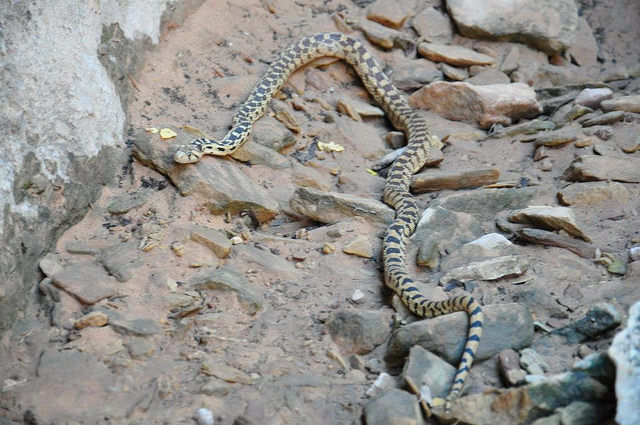
- Snakes like to live underneath rocks and also can be seen near water sources. If you are hiking in a rocky area, just be aware of your step. Never walk around your camp area without a head lamp or flashlight. I’ve known too many hikers that have suffered from snake bites due to negligence.
-
Poisonous Plants
-
Poison Ivy, Poison Oak, and Sumac
- The issues with these plants are painful and can be very severe. The plant’s oils can cause pain and itching and the oil can be spread from human to human or by your hiking gear. Know exactly what these poisonous plants look like in your area (the look differs in some areas). Some people are more sensitive to the plant than others. Research your hiking area to know what plants you might come into contact with and bring a cleansing pack or scrubs that remove these plant oils effectively. If you do not have these, check out this resource for how to effectively soothe poisonous plant pain while in the backcountry.
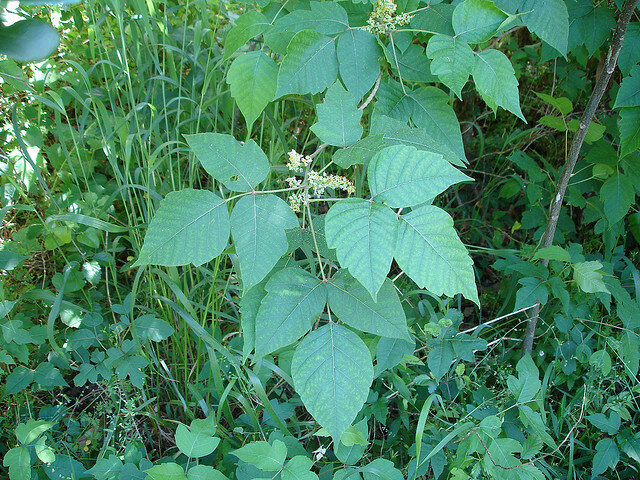
This is poison ivy. The set of three leaves is an easy way to remember poison ivy. The shape of the leaves may vary slightly in your region. The color of the leaves also change in different seasons. Check the hyperlinks above to distinguish this plant from poison oak and poison sumac. Photo: hspauldi via Flickr
-
Stinging Nettles
- Nettles differ from the plants above from the fact that this plant has silky hairs that cause irritation. The hairs contain agitating chemicals. I had an extremely painful experiencing with stinging nettles while hiking in Virginia, USA. If you are in the backcountry and experience stinging nettles, get yourself to a water source and soothe your wounds with water. I know this helps from personal experience.
-
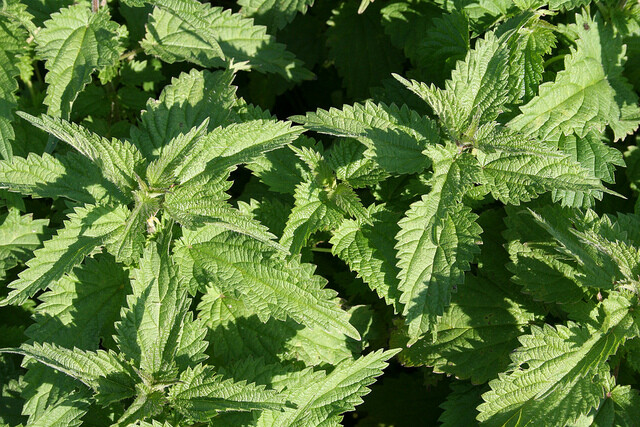
You can see the little hairs on this stinging nettle plant. Stay away! Photo: tfengreen via Flickr
-
Prepare for Bugs
- You will encounter bugs while hiking in the summer. Research your area for any poisonous spiders or scorpions so you know how to avoid and treat yourself if you are stung or bitten.
-
Bug Net
- Like I always say, check ahead of time to know exactly what kind of bugs you might encounter. Some trails might be swarming with gnats. I have experienced this annoying phenomena while hiking in Pennsylvania and Maine. It is always good to invest in a bug net if this happens in your area.

Wearing a bug net while hiking the trail.
-
DEET
- DEET is a strong yet effective way to get rid of pests, especially mosquitoes and ticks. Some ticks carry deadly disease, always check your body for ticks after a long day of hiking, especially if you come into contact with long grasses.
-
Natural Bug Repellants
- DEET is a chemical and can have adverse effects on humans if used in excess. I used DEET religiously while on my thru-hike of the Appalachian Trail and I never experienced any of this. But, I understand in not wanting to use a chemical on your skin. Avoid wearing any fragrances, they do seem to attract bugs. There are a variety of natural remedies your could use to repel insects such as rubbing garlic, lavender, rosemary, or neem oil, on yourself, just to name a few.
-
- You will encounter bugs while hiking in the summer. Research your area for any poisonous spiders or scorpions so you know how to avoid and treat yourself if you are stung or bitten.
6. Eat Salty Foods
Especially if you aren’t replenishing your electrolytes through a sports drink, eating salty foods will replenish the sodium you lose from sweating. Yes, too much salt can dehydrate you but if you are sweating a lot, you are losing salt and sodium deficiencies can cause muscle cramping.
7. Cool Off
It’s summer. It’s hot! Take some time to cool off during those strenuous hikes.
-
Take breaks
- Take breaks and take them often. No need to be a hero and hike and hike without taking a break. This will cause exhaustion or even heat stroke.
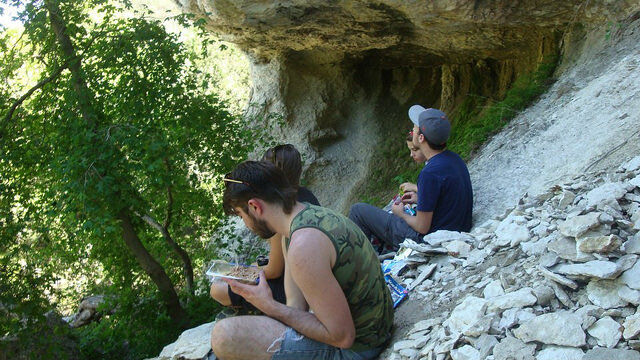
Taking a break in Lost Maples State Natural Area, Texas, USA
-
Seek higher ground
- Higher elevations will have cooler temperatures. Think about planning a hike to a summit or near a high-alpine lake so you can escape the hotter temperatures found in valleys and canyons.
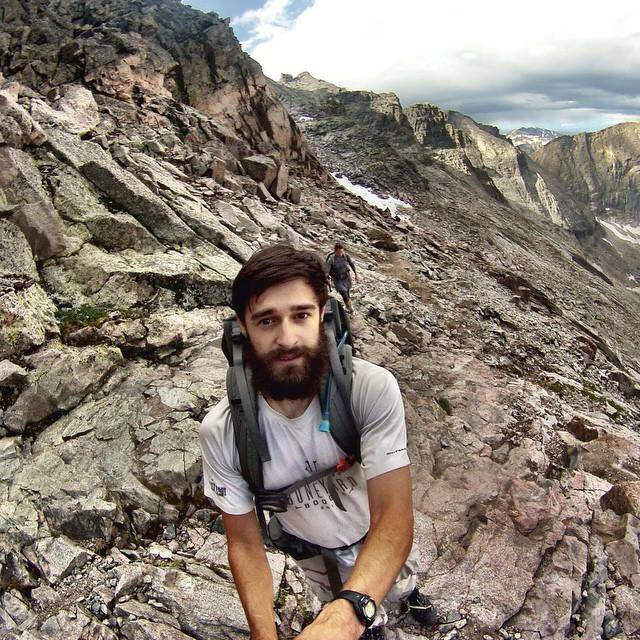
Enjoying a cool hike in August at high elevation at Longs Peak, Colorado, USA
-
Find shade
- Shade is a great way to escape the heat. Depending on the humidity of your area, the shade can be significantly cooler than sunny spots.
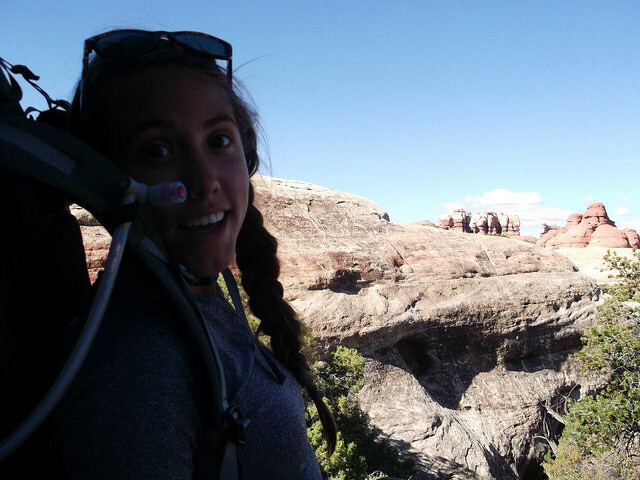
Taking a break in the shade from the heat of Utah, USA
-
Cool yourself down with water
- I always carry a bandana on hot hikes. Whenever I come across a water source, I always soak my bandana and wear it on my head or around my neck. If I’m really hot, I will dunk my head in the water. This will keep your core temperature down and you are at less of a risk of heat stroke.
Remember to keep yourself prepared with the best hiking and camping gear. Click the link below and check out our coupons page for exclusive discounts.
Access Coupons
Summer fun is all about enjoying the warmer weather outdoors. If you follow these guidelines, you will have a safe and wonderful time out on the trail.
Do you have any tips for hiking during the summer months? Let us know in the comments below!

- 6 Ways to Avoid Tick Bites While Summer Hiking - June 21, 2017
- 8 Affordable Mother’s Day Gift Ideas for Outdoorsy Moms - May 8, 2017
- Best Hiking Watches Under $100 - April 26, 2017
We write rarely, but only the best content.
