

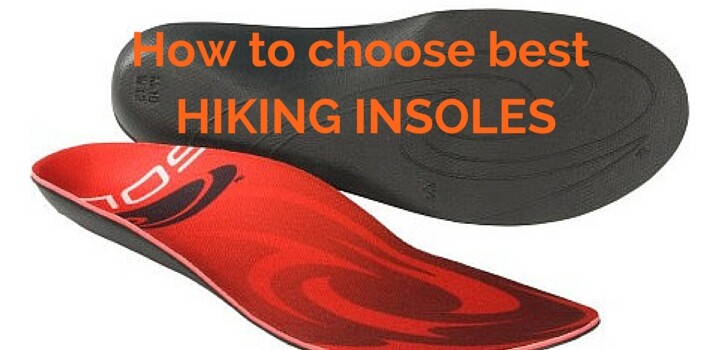
How to Choose the Best Insoles for Hiking
Sole inserts can bring new life to an old pair of boots or trail runners. Stock insoles don’t always provide the comfort and cushion needed for an adventurous lifestyle. Investing in quality insoles can prevent foot pain and discomfort out on the trail.
Determine Your Need
First, you must determine what kind of insole is best for you depending on your specific needs. Some people are in need of simply extra cushion while others need heel or arch support.
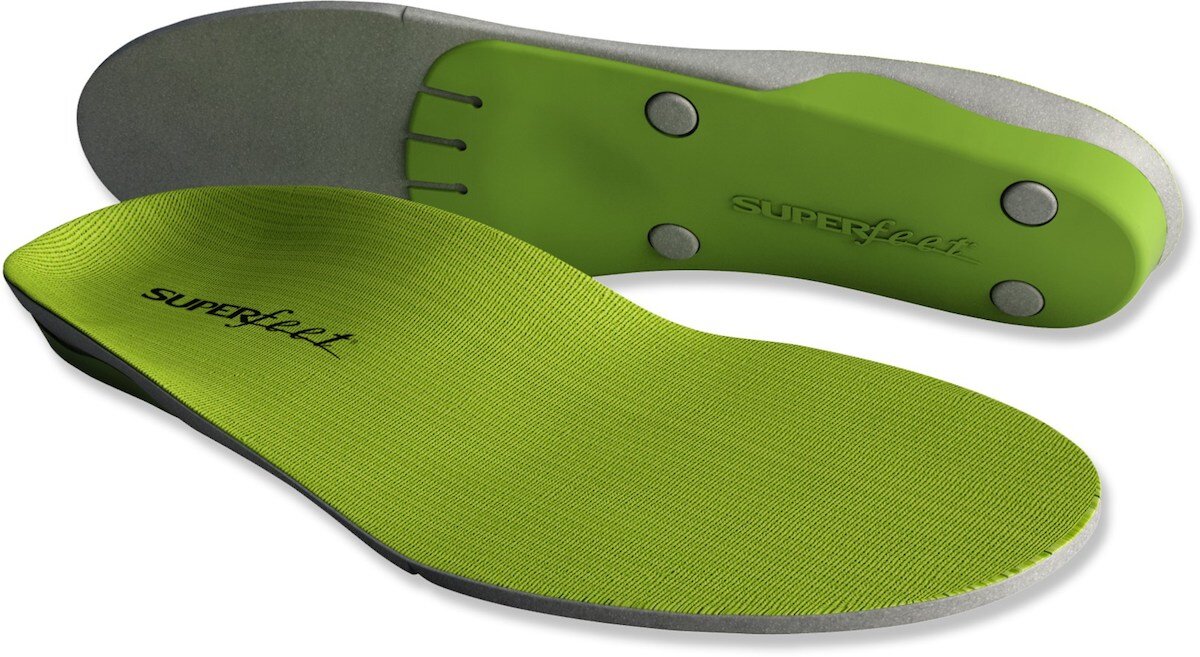
The two main types of insoles for hiking are comfort insoles (green insoles above) and sport insoles (red insoles above). Comfort insoles provide cushion and are typically made of soft materials such as gel or foam. Sport insoles are made of a harder material to provide support and stability.
- Soles by Injury
- Blisters at heel from slippage
- An insole can fix this problem quite easily. Seek a thicker insole to consume the excess volume in your boot or shoe that is causing the slippage at the heel.
- Collapsed or low arches
- Hikers with this issue might be drawn toward an insole with a high arch. However, this decision will not allow the foot to flex normally. Go for an insole that supports the entire foot instead of focusing simply on the arch area.
- Blisters at heel from slippage
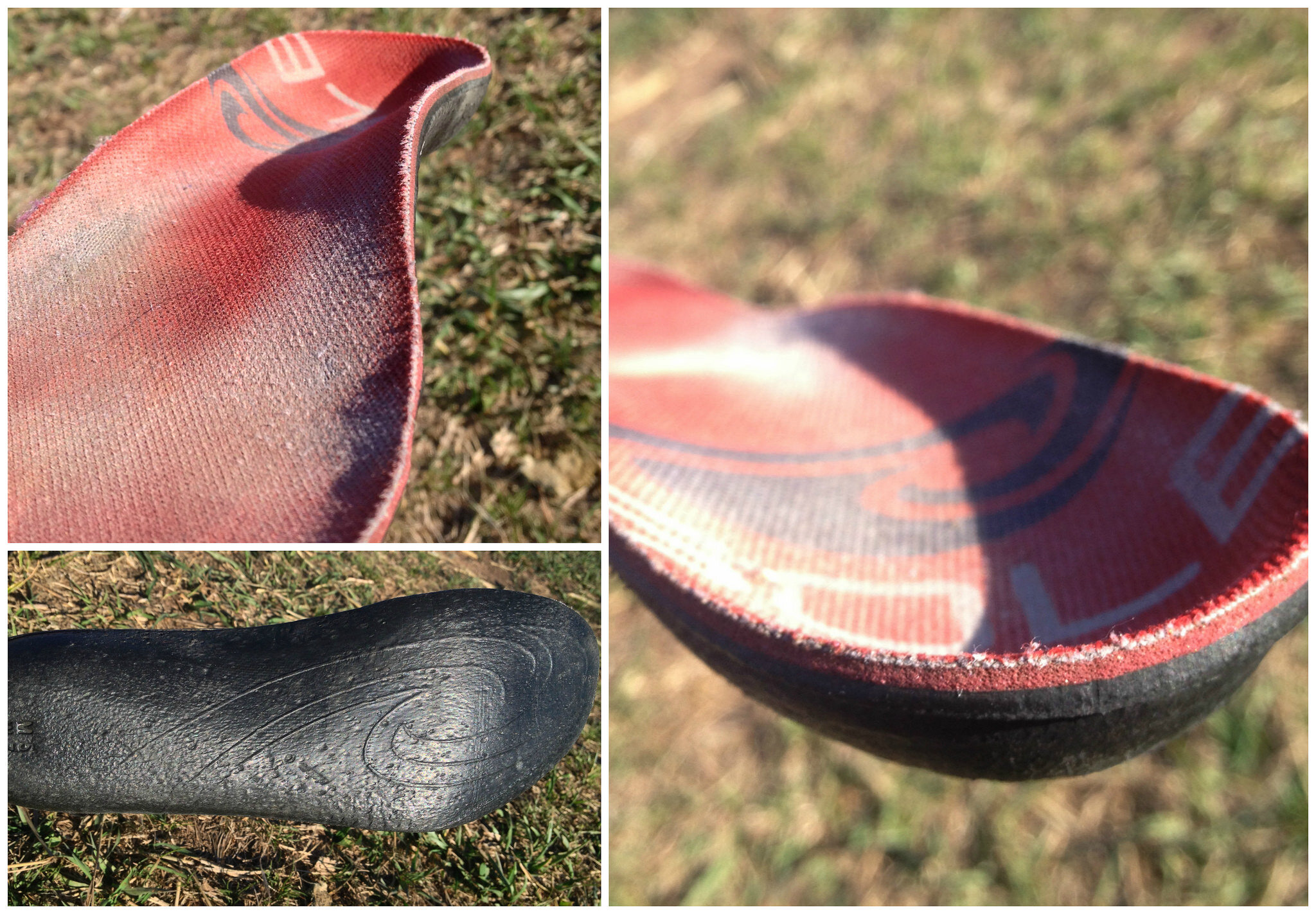
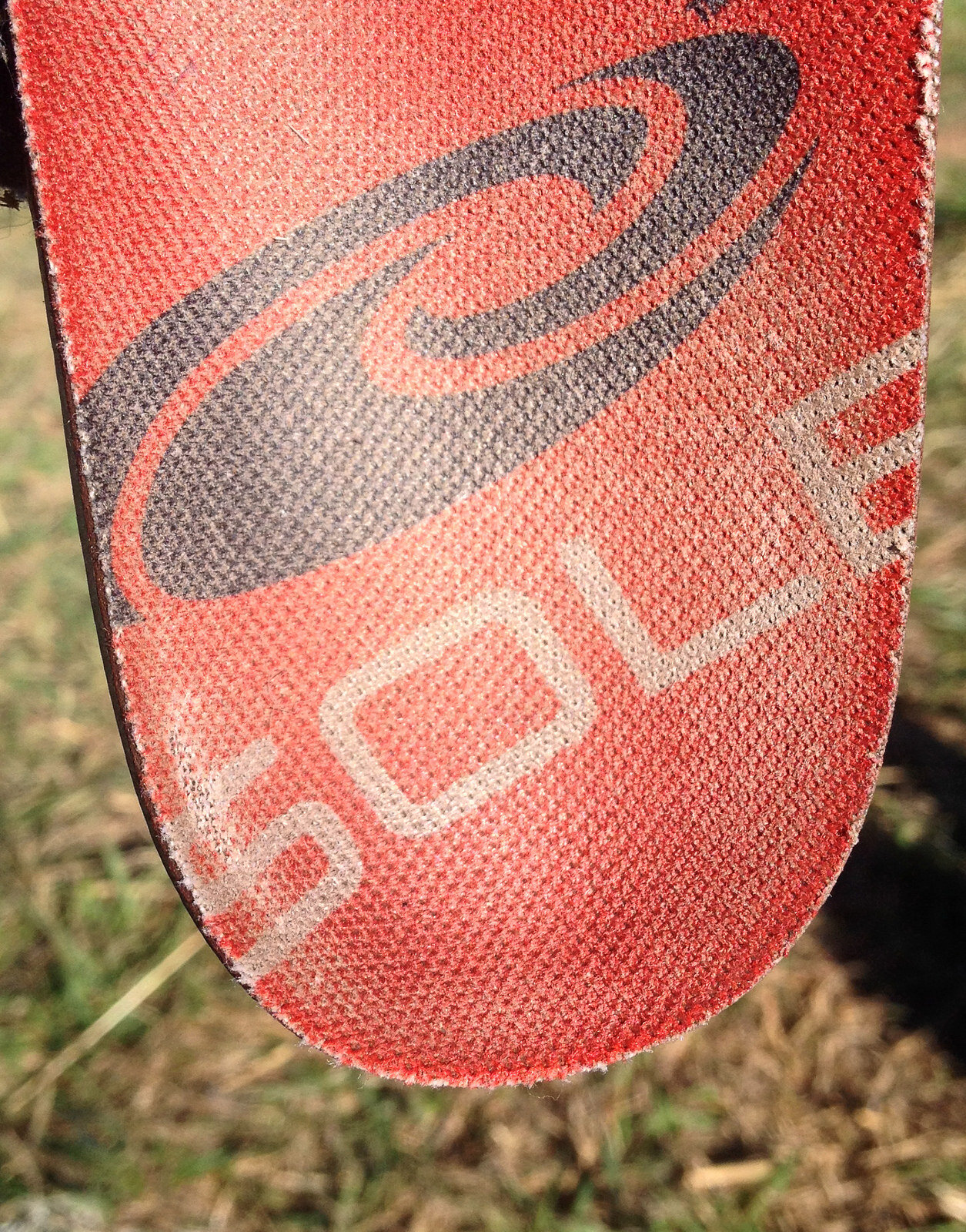
These are my sport insoles, SOLE Softec Response Custom Footbeds. They are made of a hard material that provides long lasting support.
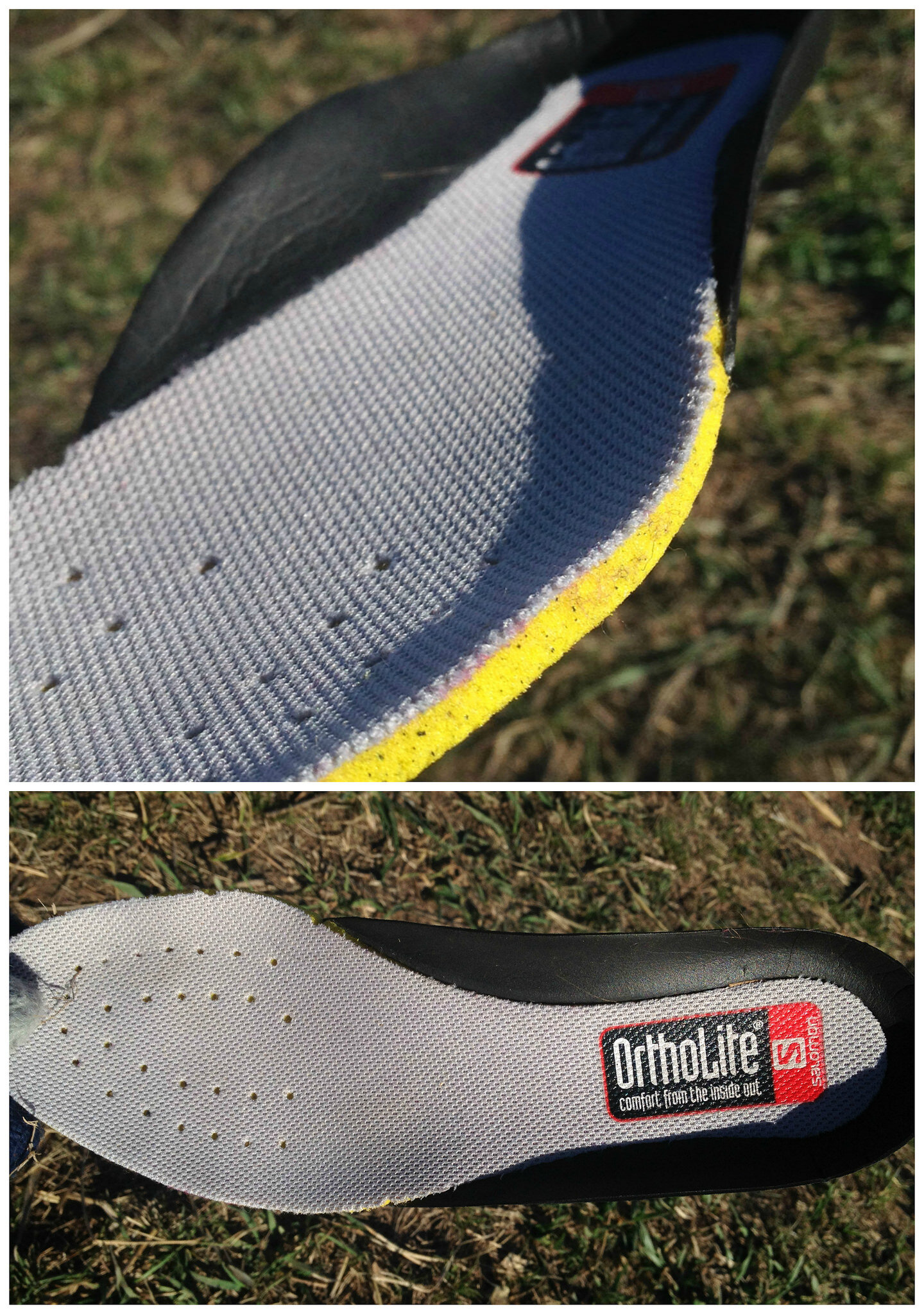
These stock insoles came with Salomon brand trail runners, comfortable but not very supportive.
Try On Before You Purchase
The point of the insole is to work efficiently with your shoe. Therefore, trying on your insoles with your actual hiking boots or trail runners is highly recommended before purchasing the insoles. First, put your foot in the sole insert without your boot or shoe to get a sense of how the insole fits your foot. Then, insert the sole into your shoe (don’t forget to take out the stock insole) to evaluate if the sole fits correctly in your shoe while still providing enough volume in your shoe for your foot.
See a Professional
If you are choosing an insole for the first time, a professional at an outfitter could give you great advice to help you choose the perfect insert for you. If you are experiencing severe pain even after trying sole inserts, you might need custom insoles. Moldable insoles could help you or a visit to the podiatrist might be your best solution.
Care for Your Insoles
Insoles should be taken care of so you get your money’s worth and your feet remain happy and healthy. I recommend airing them out regularly. During my long distance hike, I would take my insoles out at night to let them air out and dry. Taking them out also allows you to regularly check for any signs of wear (see photo below). Also, don’t be afraid to wash your soles. Hand wash your insoles with a mild detergent and then let them air dry.
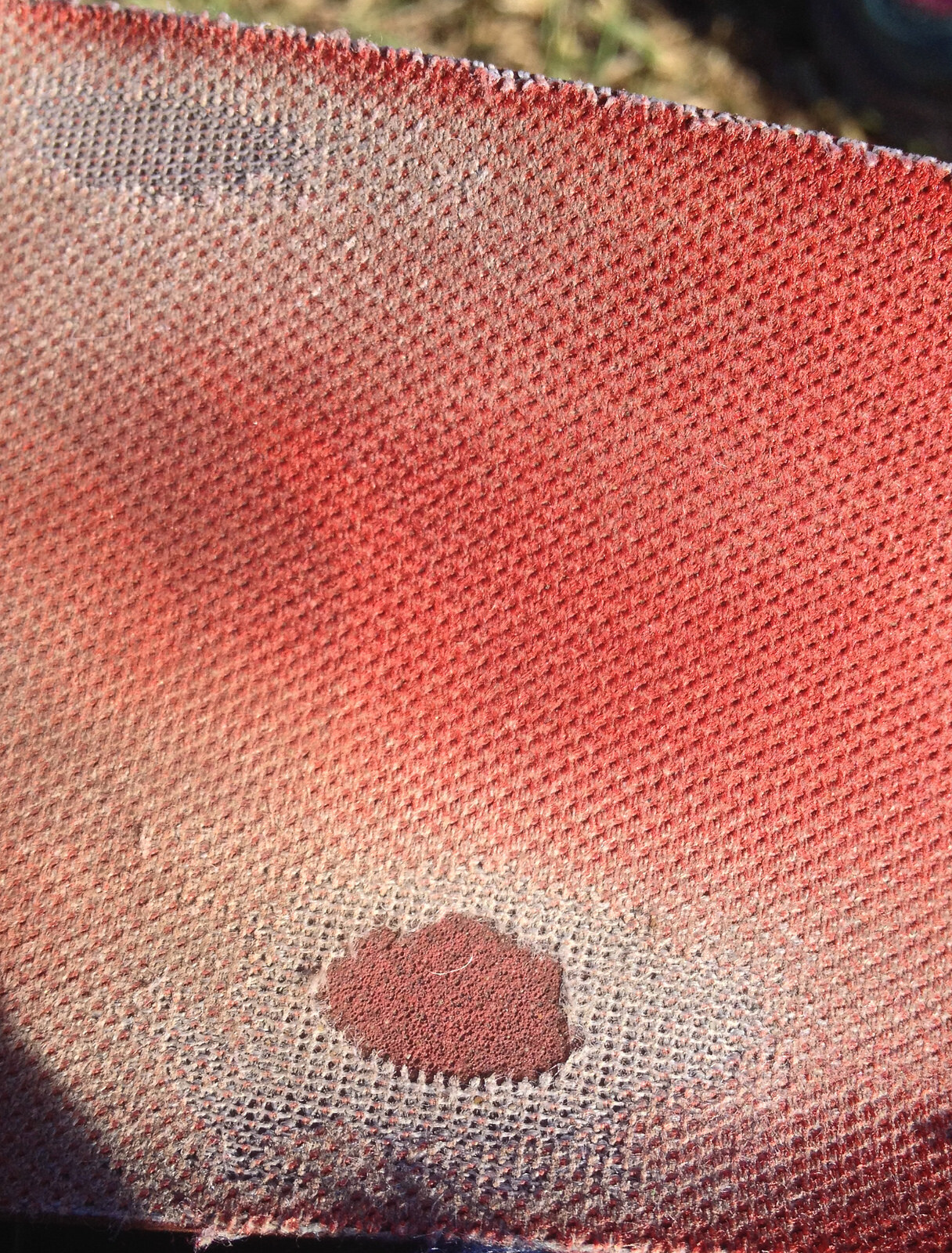
Wear from an old insole. Time to replace!
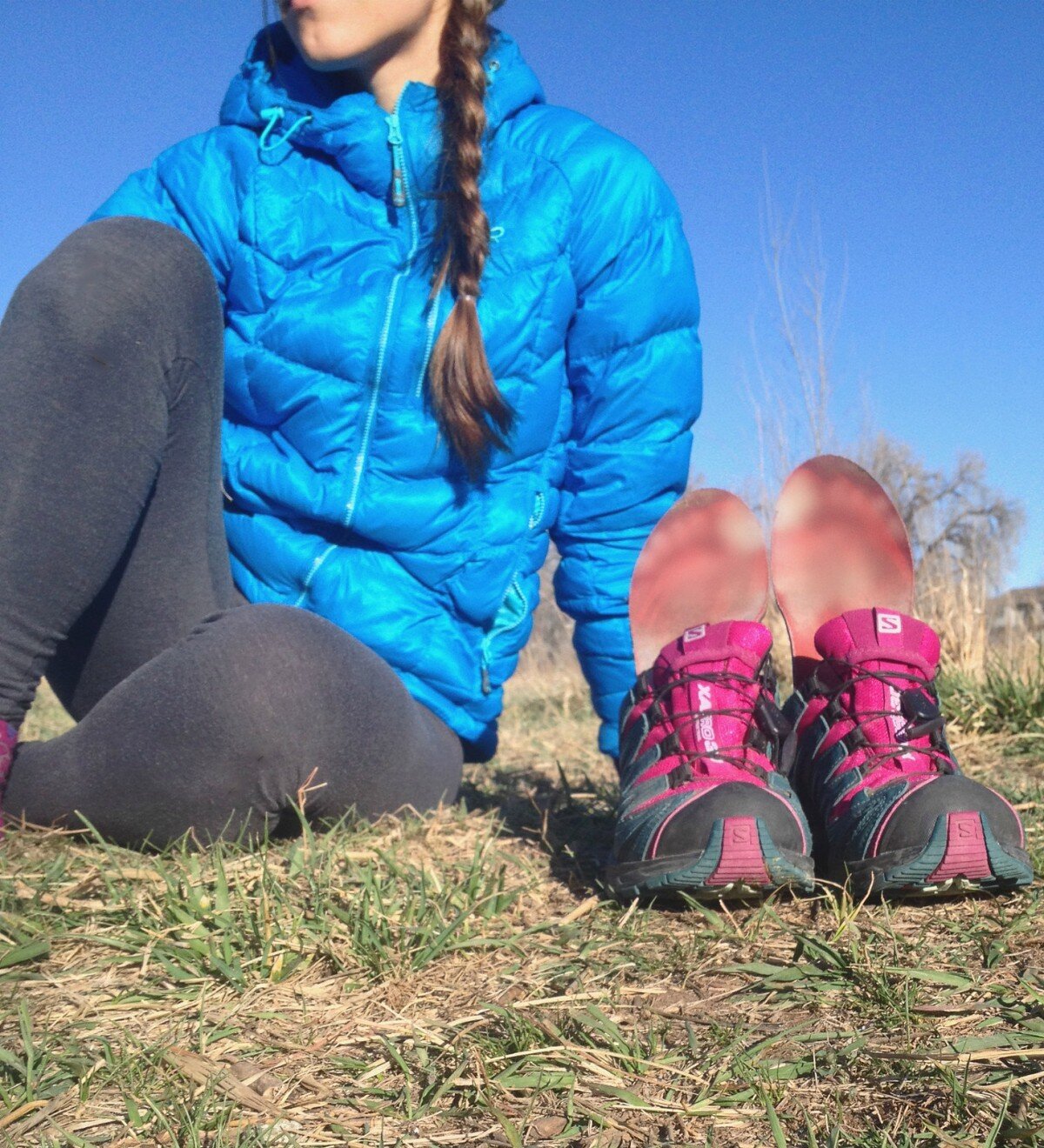
Air out insoles to dry them out from the day’s moisture.
What I Recommend
When it comes to insoles for hiking, I recommend the following features:
- Moisture wicking
- We are stinky, sweaty hikers! Aim for an insole that will wick your sweat’s moisture away so you aren’t left with a wet insole.
- Moldable support insoles
- Moldable insoles are sport sole inserts that are moldable after your apply heat to the insole. Typically, you heat the insoles up in an oven for a couple minutes, insert the sole into your shoe, and then stand on the soles for a few minutes to create the perfect impression of your foot in the sole.
- The moldable inserts I use are called SOLE Softec Response Custom Footbeds. These type of sole inserts can be for running shoes, trail runners, or hiking boots. This brand provides low, medium, and high volume soles depending on your preference. (For the record, I am not endorsed or sponsored by SOLE. I just really like these insoles. I have hiked approximately 1,000 miles with these sole inserts with no problem).
- Lightweight
- As a long distance hiker, I am always evaluating the weight I carry in my pack and on my body. Sole inserts are not typically too heavy but if you are a lightweight junkie it will be a few ounces to consider.
Insoles for hiking are made to improve your experience on the trail for an easier and pain free hike. There are a variety of brands of insoles for hiking and for other outdoor activities such as skiing, snowboarding, and running. It is hard to determine which brand is superior to another when we all have different feet with different issues. Shop around and find your best fit. Sole inserts might be an overlooked aspect of hiking gear but definitely not a piece of gear to ignore.
Do you have any recommendations when it comes to insoles for hiking? Let us know in the comments!
Sources:
http://www.insolesandbeyond.com/collections/insoles-for-hiking-boots-hiking-boot-insoles-best-insoles-for-hiking-boots-best-hiking-boot-insoles-best-insoles-for-hiking-boots
http://www.rei.com/learn/expert-advice/insoles.html
http://www.livestrong.com/article/219735-the-best-insoles-for-hiking/

- 6 Ways to Avoid Tick Bites While Summer Hiking - June 21, 2017
- 8 Affordable Mother’s Day Gift Ideas for Outdoorsy Moms - May 8, 2017
- Best Hiking Watches Under $100 - April 26, 2017
We write rarely, but only the best content.
