

Drinking untreated water in the backcountry
Every summer, we spend numerous days out in the high country and quench our thirst with water from mountain streams and glaciers. We own a water filter and treatment tabs, and often throw at least the treatment tabs or purifier drops in our backpacks, but find we rarely use them. Throughout the season we enjoy the pure, cold and high mineral content mountain water with no unpleasant side effects later. Drinking water from a mountain stream makes you feel more connected to the environment and enriches your outdoor experience.
Drinking water straight from the ground tastes better, and makes you more connected to the trip. Often I find mountain water, especially water that runs right from a glacier is the best tasting water I have ever had, much better than city tap water, any filtered water or bottled water.
We have been drinking water straight from the source in the mountains for over a decade. As long as the stream comes from higher up and there are no sheep above, we drink the water without treating it. We are always very careful in selecting our water source and have never fell ill to contaminated water.
In the winter, when there are no water sources we are careful to boil snow as it can be contaminated, especially near backcountry huts. A friend of ours was melting snow for water and didn’t fully boil it before using it, and she became sick for days. The snow was taken just outside a backcountry hut.
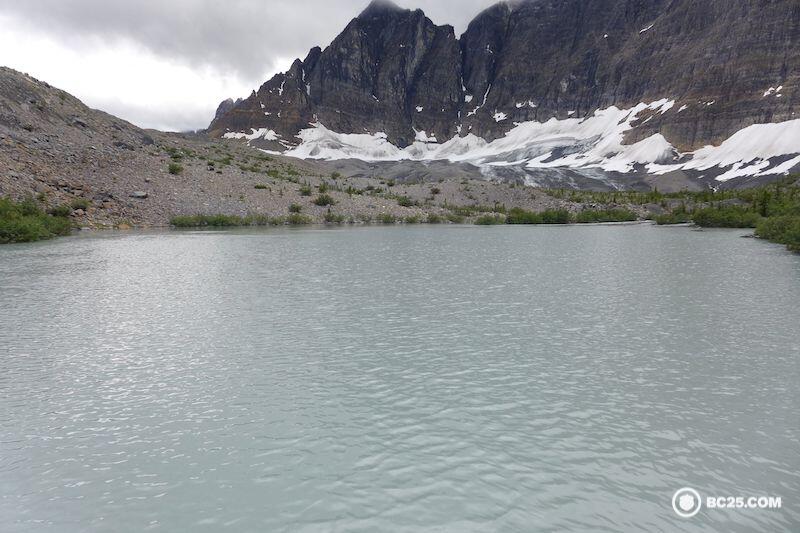
Water from glaciers, like this glacial tarn, tastes very good and his high in minerals. This water is filtered through rocks as it comes down the glacier and down mountain cliffs.
How do you know when you can sip untreated backcountry water?
So how can you enjoy the taste of natural water more? We’ve been testing where we can drink water and came up with a few handy tips.
1. Find water close to it’s natural source
Water that is closer to it’s source has had much less of a chance to get contaminated. This means finding a stream that drains from a large snowbank up a steep slope. These areas are not accessible to large elk or deer, and the water coming off these snowbanks drains through the rocks anyways, lessening the chance of an animal coming into contact with it.
2. Make sure the water is cold
Cold water has not traveled far from it’s natural source. Organisms can still survive in cold water, but there is less of a chance that animals that spread these organisms have had contact with it.
3. Water should be flowing and fast moving
Fast moving water has had much less of an opportunity to acquire pathogens. Look for a small source coming straight down a slope, which generally drain melting snow in the spring. Avoid wider streams unless you are sure that the water has come from clean water upstream.
4. Naturally filtered by rocks or vegetation
When looking for naturally filtered water, again look for water that is fast moving and cold. A small stream with thick forest cover on either side is good, the dense bush means that animals have a hard time accessing the stream. Water that seeps from tightly packed rocks on steep cliffs can also offer great drinking water. This water is typically being filtered by layers of rock.
5. Avoid water sources near the presence of large mammals
Avoid drinking untreated water in the presence of beavers, sheep, cattle, who can carry pathogens such as Giardia.
Mountain water is best
It is generally easier to find good drinking water in the mountains compared to lake regions or low areas. Water that flows downhill is filtered, often there is glacial water sources, the water is cold and there are few animals up high that can contaminate the water.
In flatter areas, try to find a spring. Water that comes from the ground is less likely to become contaminated. If there are huts or cabins nearby, be careful. You should probably treat or at least boil the water for a few minutes first.
When to avoid drinking unfiltered water
- Large mammals, such as beavers, sheep and cattle are in the area
- Downstream of any campground
- Slow moving water
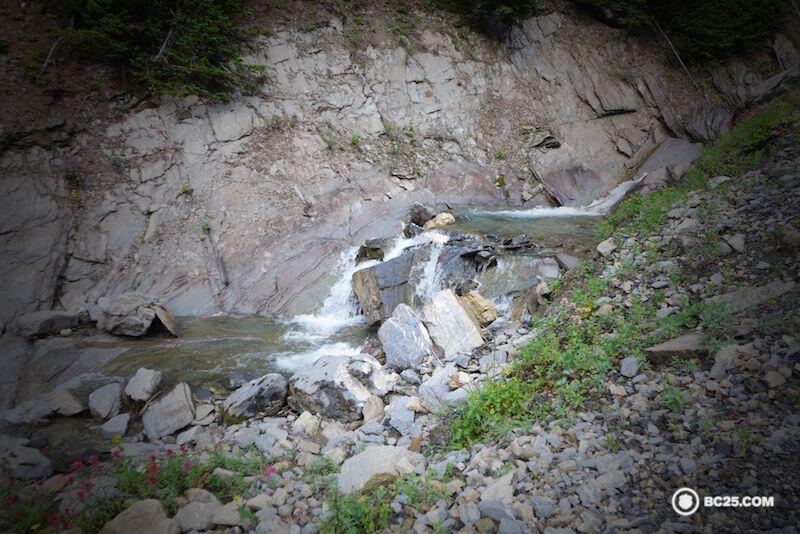
Try to find cold, fast moving water that has been filtered through rocks.
There is always an element of risk when drinking water in the wilderness, but I believe this risk has been greatly overstated over the years. If you are careful, you can enjoy fresh water in the backcountry.
Have you ever been sick from drinking untreated water? How do you decide if water is safe to drink?

- How to experience the world while isolated at home - April 21, 2020
- How to prevent and treat hypothermia - February 21, 2019
- How to layer with your down jacket - November 28, 2018
We write rarely, but only the best content.
