


How to travel in Iceland on a budget
It’s the hottest travel destination right now. It’s no secret: thanks to a number of factors, this year, the number of American tourists has officially outnumbered Icelanders.
Iceland has been discovered by the world.
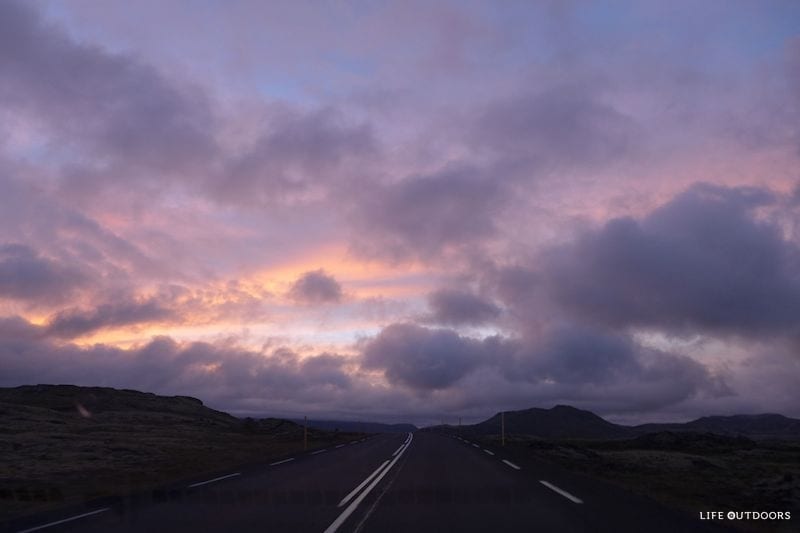
Iceland is one of the most exotic countries in the world. Just hugging the arctic circle, this treeless, geologically fascinating island is home to a unique Scandinavian culture, hot springs, volcanoes, mountains and surrounded by the rugged North Atlantic ocean. The remote island country is out there in the middle of nowhere, perched in a high latitude a 3 hour flight from mainland Europe and 300 km from Greenland, and no surprise, it’s expensive there. The growing season is short, and through Icelanders have their own geothermally-powered greenhouses and are able to grow much of their own produce, still, lots of produce, food, consumer goods, and other goods needed for every day life are imported.
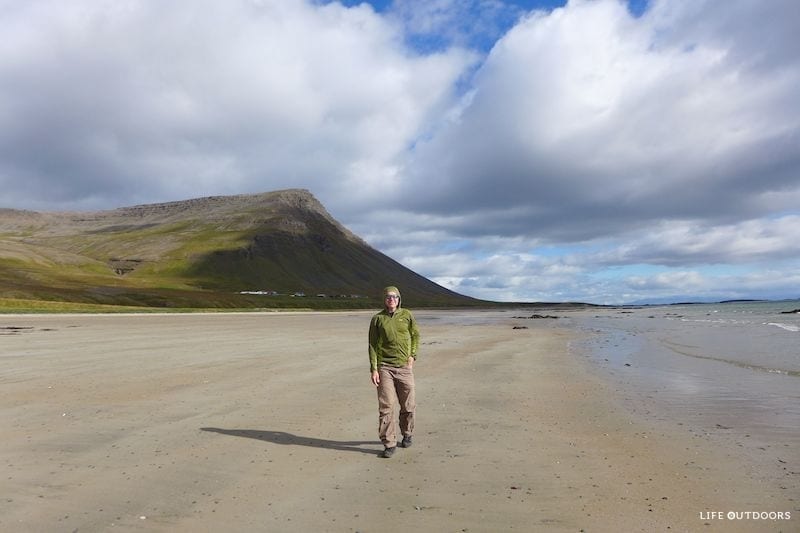
The country is also simply over run with tourists in the summer time, and in July and August, the countries population swells from 330,000 to over 1.5 million – this was the case this year (2016). Every year the word gets out and more and more people come to visit. The summer in Iceland is intensely short, and tourists and native Icelanders alike take advantage of the more forgiving climate by flocking to the most popular areas. At best, the summer lasts 6 weeks. More likely the season will be about a month, and depending what part of the country you visit – for example, the remote and elusive Westfjords area, you may be down to a month at best. The warmer temperatures linger in the south, particularly in the Reykjavik area.
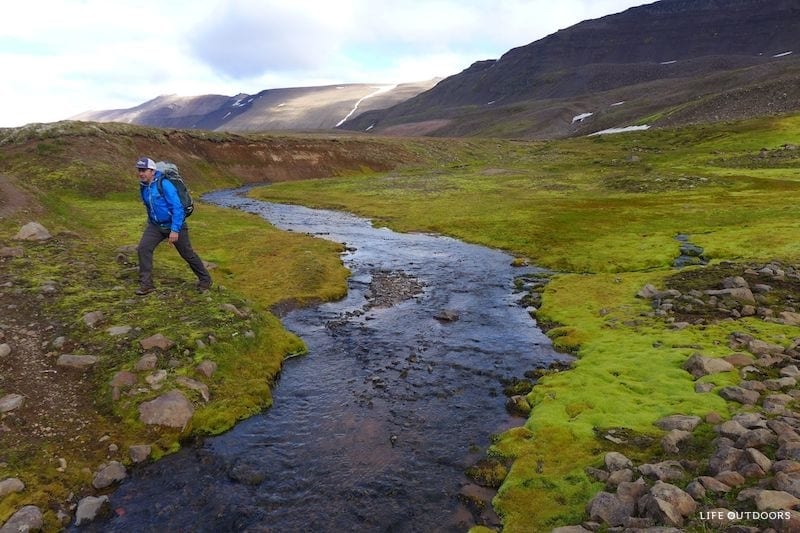
Why is Iceland so expensive?
Iceland has a relatively small population of only 330,000 people. Getting stuff to the island country is expensive, since many things have to be imported. With the current influx of tourists there is even more pressure on space and resources, and as a result, cost goes up. As mentioned before, Iceland has greenhouses, but it can’t feed everyone, and when you add tourists to the mix, it puts even more pressure on supply.
Aside from produce, consumer goods, manufacturing goods and more are imported. It all costs money. The high price of goods can be attributed to it’s remote location, and cold climate.
If you want to travel there, note that it will be expensive. But there are a few things you can do to cut down your costs.
1. Grocery shop: Bonus
The first place you can really save money is by avoiding going out for dinner as much as possible. While you should definitely go out at least a few times, as Icelandic fare is very highly recommended, don’t make it a daily habit. A basic dinner for two with no alcohol can cost you easily 10,000 Kroner (that’s $90 US and $115 Canadian at current exchange rates).
Why do I say Bonus, you ask? Bonus is the name of a popular grocery store chain, and the most reasonably priced one. Groceries are expensive but you’ll save some money if you shop at Bonus.
Make sure you do sample some dinners out, you would be missing a lot if you don’t. Icelandic seafood is very fresh and delicious. We found many of the restaurants in Reykjavik to be expensive, but accommodation in Reykjavik was much cheaper than in other parts of the country, so it was easy to get an apartment with a kitchen for a reasonable price. We opted to cook instead of go out and saved our money to spend on a nice glass of beer in town later.
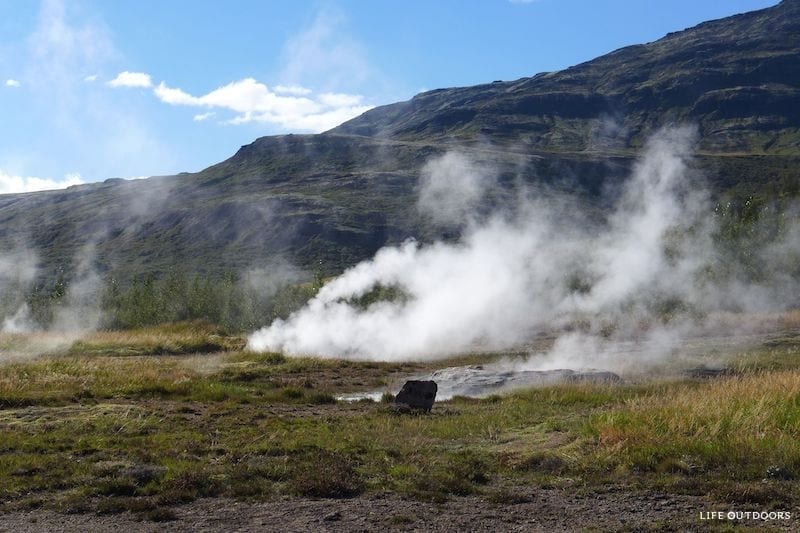
When you do go out, research a highly recommended restaurant and head there. There are plenty of really great places to eat in Iceland. Our favourite was a seafood buffet style restaurant in Isafjordur called Tjoruhusid that was communal family-style seating, all you can eat. It was delicious, the fish was fresh and the restaurant was filled with more locals than travellers. The feast cost 5,500 Kr each. Well worth the splurge and very memorable!
2. Bring a cooler
We knew we wanted to buy groceries on our trip and not constantly eat out at restaurants. We needed a cooler for our things but didn’t bring one, thinking instead that we could purchase one easily in Reykjavik. It’s not terribly easy, and we spent the better half of a day running around from store to store looking for one.
We eventually managed to locate a basic cooler that cost 13,000 Kr ($113 US, or $150 Canadian)! Luckily, we found another at a hardwear store, it cost 10,000 Kr but it had an electric cooler, so we didn’t need to stock it with ice.
In late summer or early fall, you will have a hard time finding a cooler anywhere.
Since we were travelling in the late summer (early September) we didn’t have much need for refrigeration, and a fridge bag would have worked just as well. No ice or cooling was required as the days were already quite cool. In any case, being able to plug in the cooler was a nice feature and we used it, but then were stuck with having to take this expensive cooler home with us. This included jamming it a duffel bag and filling it with clothes. It would have been easier just to bring a cloth fridge bag from home, which would be much easier to pack in and out on the plane.
3. Gas stations – N1 fast food, coffee
When you don’t have time to buy food and prepare it, grab yourself a hot dog – strangely, these are very popular in Iceland, as well as other fast food. You can grab one at some of the bigger gas stations, which are everywhere. A quick snack will keep the hunger at bay until you’re ready to make a proper meal.
If you want a coffee, you’re in luck, as Icelanders take coffee very seriously. Though not every place serves very high end coffee, I didn’t have one bad cup of coffee the entire time I was in Iceland. Most gas stations, and particularly N1, as we found, have an automatic espresso machine that grinds the beans on the spot. The coffee from these machines is pretty good, and costs about 3,000 Kr verus over 6,000 at a cafe.
4. Don’t buy coffee – make your own
If you drink coffee several times a day, make sure you pick up a bag of ground coffee. Bringing a coffee filter with you is a good idea, because if you do stay in a guesthouse or hotel room, you’ll likely have a kettle to boil water. For coffee filter I like the MSR, it’s very portable and easy to clean.
With a portable stove, which we also recommend taking, you’ll be able to make yourself coffee whenever you like.
5. Skip the Blue Lagoon
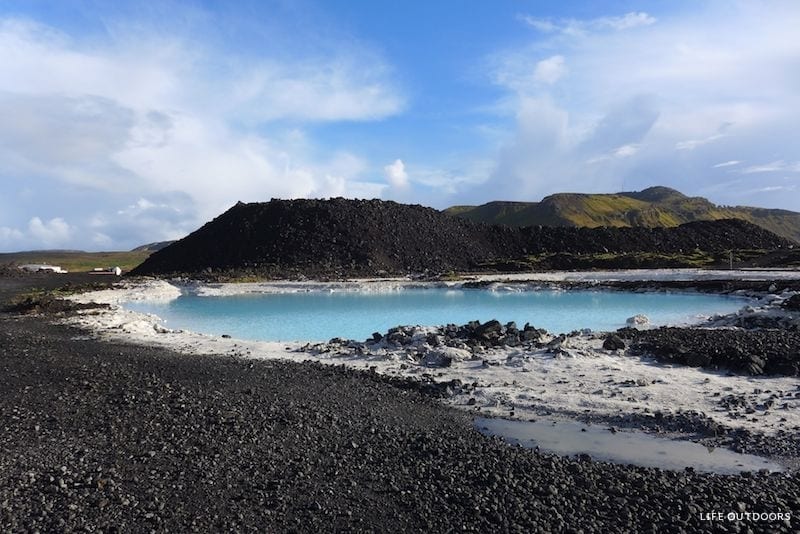
Love it or hate it, this is one of the most popular attractions in all of Iceland, and lives up to the hype. Iceland is already famous for its hot pots (hot spring pools) and the Blue Lagoon is where it’s displayed in a most lavish style. The large, milky blue mineral pool is gorgeously set amongst lava rocks and features spa services, food and drinks. The steaming lagoon of silica is wonderful, and lives up to the hype, both good and bad. The price tag is steep and a most basic entry to the pools will set you back 40 euro (over 5,000 ISK at the current exchange rate) and 50 euro (6300 ISK) in the high season from June to August. The entry doesn’t include towel or other add ons you may wish to try, like to have a drink while soaking. It’s easy to spend a lot of money here.
If you don’t much like sitting around in mineral pools and feel it’s over rated, don’t worry about skipping it. Iceland is famous for hot springs and these are everywhere, many of them for free. For a great hot pool in the area check out Reyjkavik’s Laugardalslaug. This complex is simply awesome and even features an Olympic-sized pool for swimming laps. It also features 7 hot pots of varying temperatures, and costs 900 to enter (adult, 2016 prices).
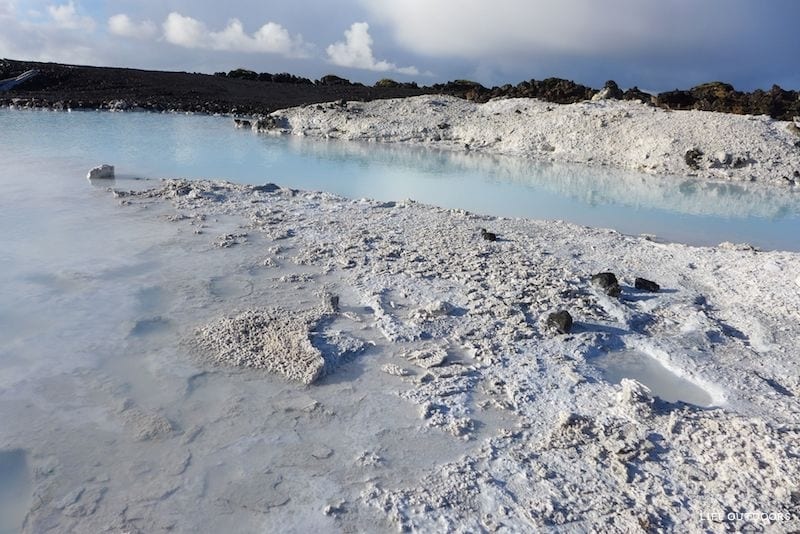
If you do go, book your spot (yes, you should book in advance for an available time) for either early or late in the day. Consider coming in the morning, like at 8 am. You’ll have the place almost to yourself. Spend a few hours here, soak it up and enjoy.
6. Cook as much as possible: bring a stove
We used the MSR Pocket Rocket stove, and would recommend that for travelling due to the ease of buying canisters instead of attempting to travel with restricted fuel bottles. Pick up canisters of gas from an outdoor shop in Reykjavik after you arrive. You can’t travel with fuel bottles, so you can’t take your white gas stove unless you buy new fuel bottles and leave them, or give them to someone, in Iceland. Canisters you can buy on the spot and leave the rest for someone to use if they’re not empty, or just recycle them.
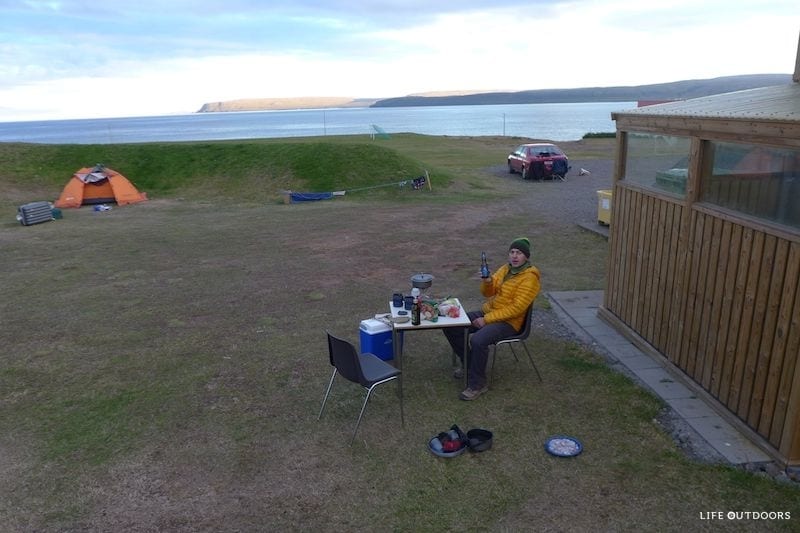
Having a stove is important even if you’re not camping. If you’re staying indoors, you can cook your own food outside, weather permitting, and save on expensive restaurant meals. You can even use it after hiking or exploring. Buy lots of noodles, as they are vey convenient and quick to cook.
7. Find a gear swap at a hostel
Many hostels will have a gear or food stash that travelers leave behind when leaving Iceland. A good one, and near the airport, is at the Base Hotel.
When travelling in and out of the airport (KEF), especially if you have an early morning or late night flight, (or if exploring the Reyjkanes peninsula) consider staying at the Base hotel. It is a great place to start or finish your trip. Here, friendly staff and keen travellers will share advice and stories from their explorations of Iceland, so you can learn a lot and share your experiences too. They also offer espresso-based drinks, and alcoholic drinks like wine and beer for a good price by Icelandic standards.
The hotel features hostel-style lodging with one bathroom shared between two rooms. The building is actually an old US military base that was occupied by military personnel and their families until 2006. This base is one of the reasons why Keflavik developed into a town. Room rate per person was around 5000 ISK when we visited.
Book Find hotels in Keflavik at up to 60% off through Agoda.
The Base has an unofficial food and gear swap in the kitchens, allowing you to leave your food items you won’t need when leaving Iceland and pick up stuff that you do need when starting your travels. For example, we left olive oil, salt, sugar, produce and some soups when we left, and our unused gas canisters. There was a whole shelf in the kitchen, in fact, full of these canisters. We wish we knew we could get some used ones here, it would have saved us some money.
In Iceland, most properties are listed on Booking.com, and it’s the most popular accommodation listing resource there.
Or, get up to 60% off your hotel room by booking through Agoda.
8. Do an Iceland Stopover
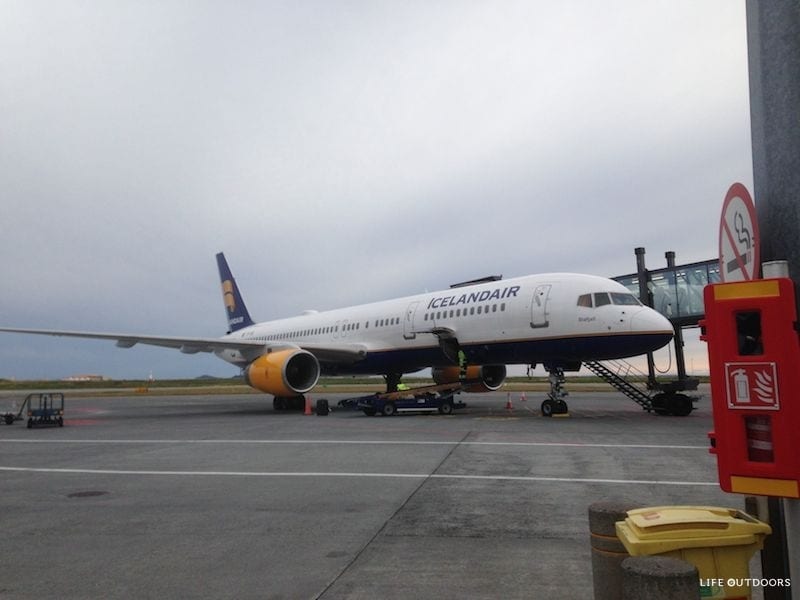
Another good way of seeing the country is to stop in Iceland while on your way to mainland Europe. If you fly Iceland Air to Europe, you can break up your visit with a stay in Iceland for free. They offer a free stopover in Iceland of up to 7 days while on your way. When you price it out, essentially you pay for a flight to Iceland, and then the connecting flight to Europe is free.
We have family in Eastern Europe so visit Europe quite often, and now that we know we can fly through Iceland and make another visit there, we are going to take the opportunity. The nice thing is the Icelandic airlines fly direct to Iceland from many different cities in US and Canada, so there are no annoying connections. The price is comparable as well, for example in late August, the tail end of high season, we flew for $1300 from Edmonton, Alberta (YEG) and it was close to what it cost to fly with connections (through the US).
9. Visit during the winter
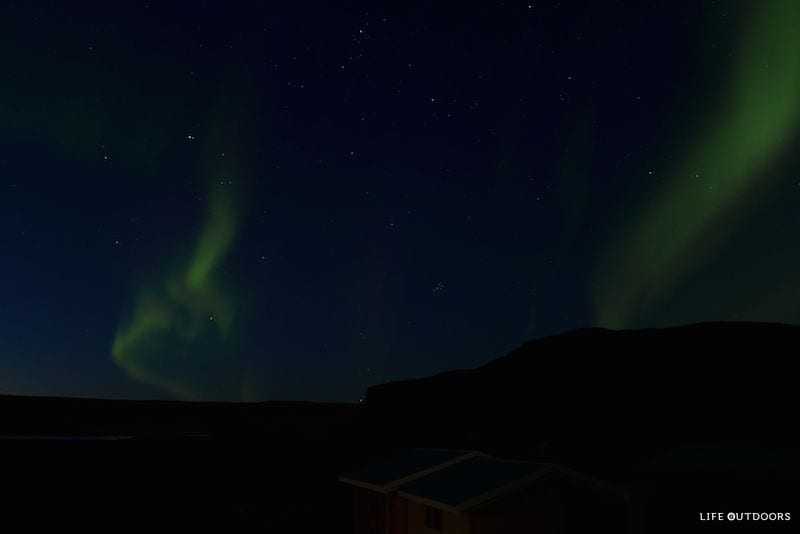
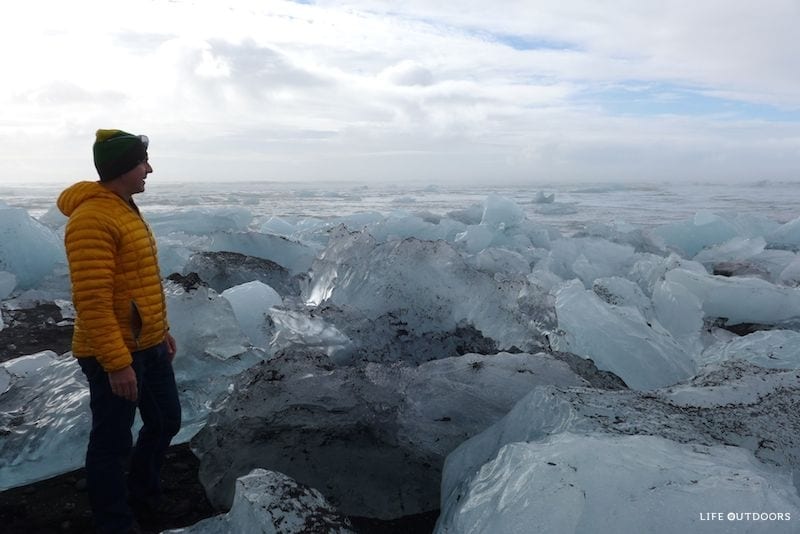
Yes we know it sounds scary, but if you’re considering Iceland, you’re not one of those travelers who are scared of the cold. Prices are usually around 20-30% lower in the winter season, and added benefits aside from lower prices are zero crowds and Northern Lights. There are also tourist activities that can only be done in winter, such as accessing the inside of the glacier (the ice caves) and of course, skiing.
10. Bring a tent instead of renting a camper van
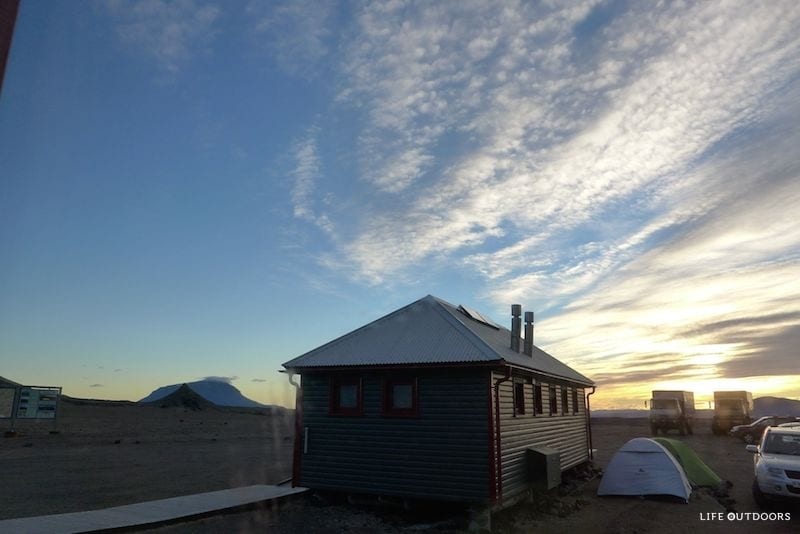
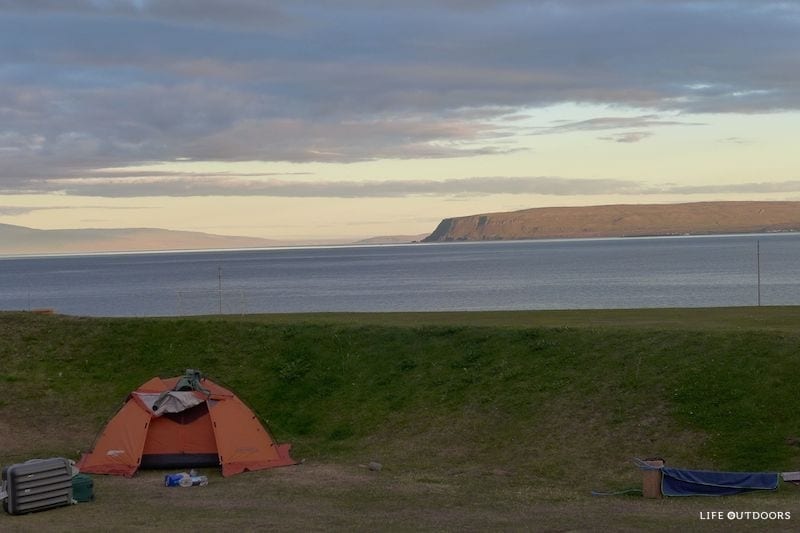
Camper vans are nice, but with what it costs to rent one, you’ll save much more money by camping instead. If you do camp in Iceland, and if you have lightweight camping chairs, consider taking them along, as many of the campgrounds don’t have one table per campsite. The campgrounds are very European-style, meaning it’s just a field for tents with no segregation between sites, and usually just a few tables for the entire campground. You’ll probably end up sharing with someone. Most Europeans (Icelanders included) generally travel with a portable table and chairs for camping.
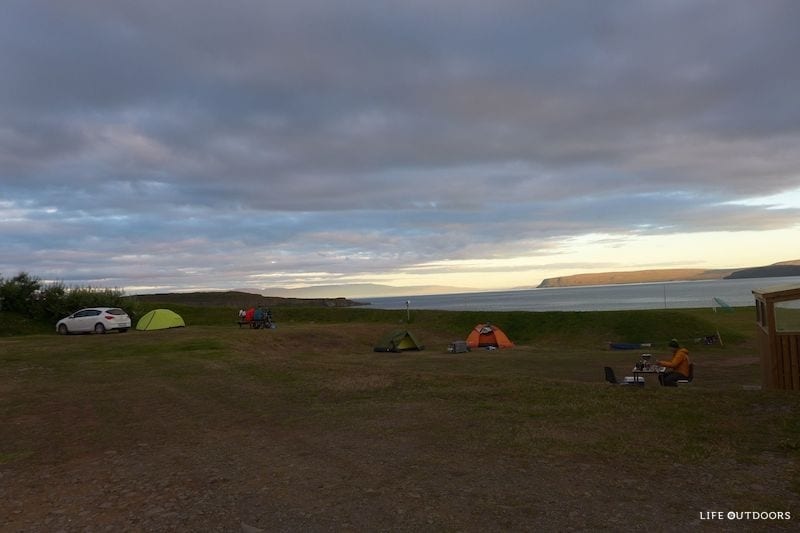
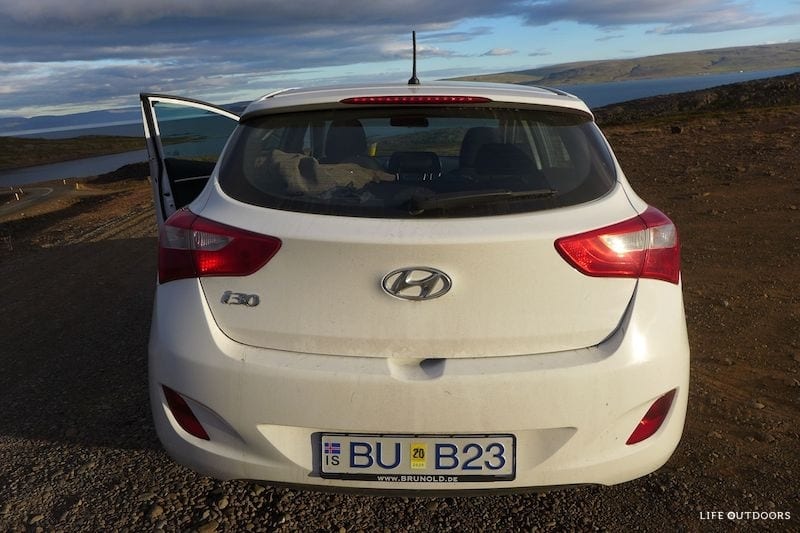
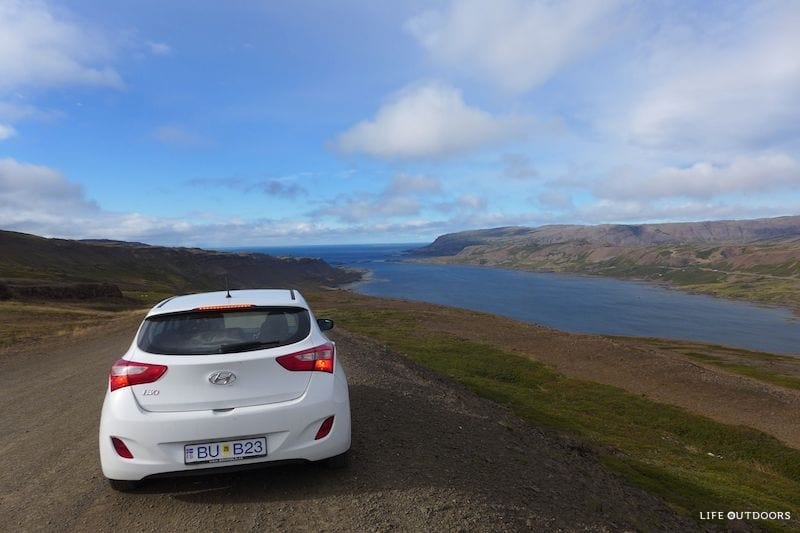
To illustrate, a camper van will cost you 15,000-20,000 ISK per day, while a compact car costs 5,600 ISK per day, and campgrounds are generally around 1500 ISK per person. Most campgrounds have indoor or sheltered cooking facilities and showers.
11. Seek out natural hot spring pools
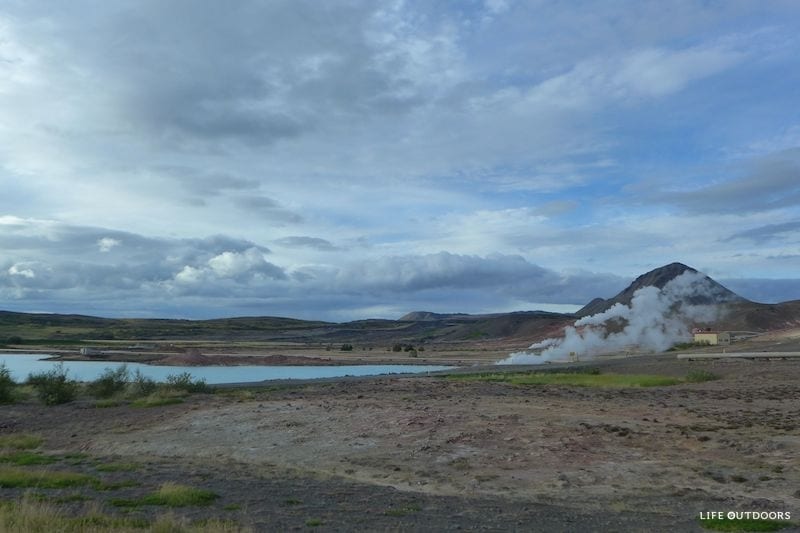
One of the best parts of traveling in Iceland is the hot springs – called hot pots – which are everywhere. Aside from places like the Blue Lagoon, access to public spas, swimming pools, and hot pots is inexpensive. The best ones hot pots are the natural pools formed by caves and flowing, hot rivers.
Some areas are very hard to find and unmarked – you simply have to know where they are. This keeps them hidden away so they won’t be overcrowded with visitors. It’s too late for some pools, especially the ones listed in the Lonely Planet. There are a few good resources available to discover a many of them, however, and they are quite simply all over the place. Some good resources to check out are: http://enjoyiceland.is/ and http://hotpoticeland.com.
12. Drink the water: bring a reusable water bottle and coffee mug, too
Icelandic water is tasty and good for you. Water from the tap tastes like fancy, high end, expensive bottled water, is fresher, and has the same or more health benefits, not to mention is much better for the environment. Most of the time, the water comes right from a glacier stream. There is absolutely no need to buy bottled water when you’re there. In fact, it should be illegal to sell bottled water in Iceland. The only place we drank bottled water is on the plane on the way to Iceland and back. Make sure to bring either a Nalgene bottle or vacuum stainless steal bottle with you and you can fill it up everywhere.
If you like coffee on the road, make sure to take along a reusable coffee mug to minimize your environmental impact.
13. Skip the 4WD rental
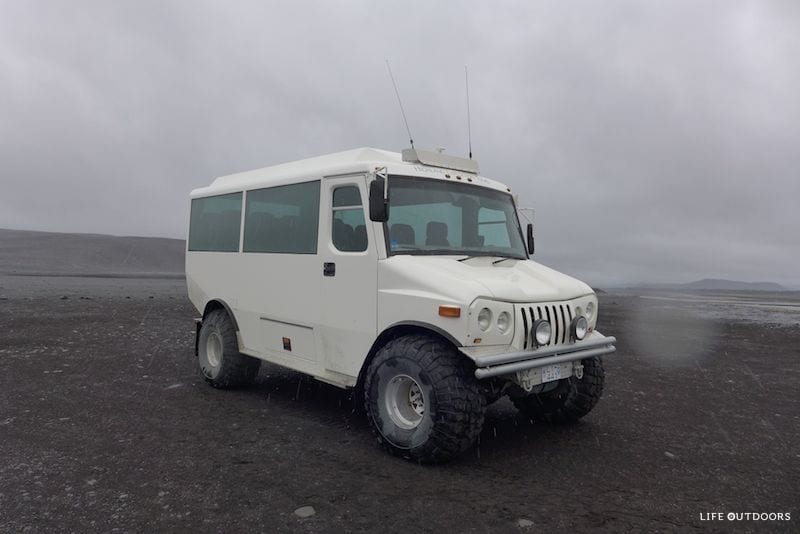
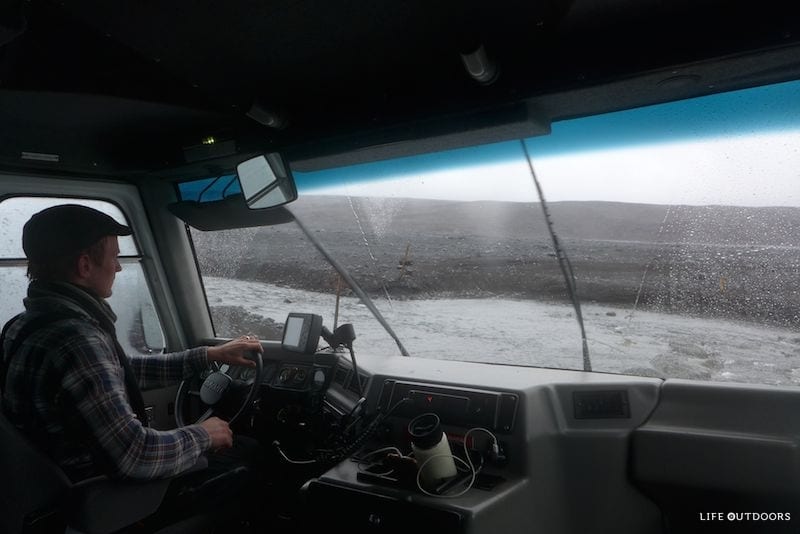
These vehicles are nice to have because you can access all the F-roads in the interior. However, you can also skip the rental and pay for a tour in a Super Jeep for those areas. Trips into the Askja crater (no tour, only transportation) cost about 10,000 ISK each way. Transportation in these Super Jeeps can be easily arranged from neighbouring areas. You have to ask yourself how many of these roads you are going to drive to make it worthwhile paying double for the rental. A 4WD vehicle will cost you about 9,300 ISK per day, so it’s almost double what it costs to rent a compact car. Transportation is very easy to arrange.
Iceland is amazing, budget or no budget. It’s worth it and a highly recommended place to visit!
Photo Gallery

- How to experience the world while isolated at home - April 21, 2020
- How to prevent and treat hypothermia - February 21, 2019
- How to layer with your down jacket - November 28, 2018
We write rarely, but only the best content.
