

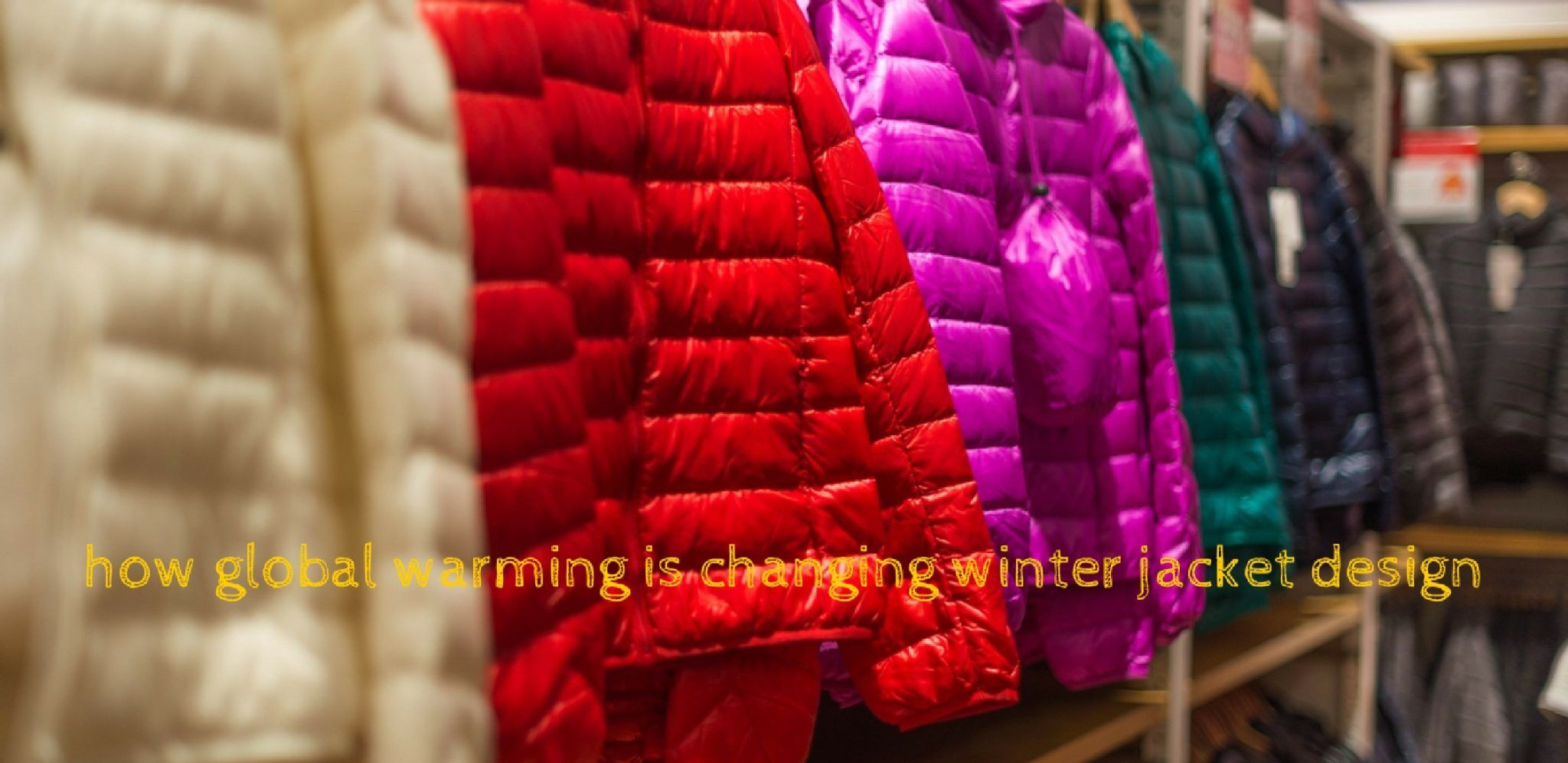
How winter jacket design is changing with global warming
A recent article I came across from Outside magazine made me think about how global climate change is affecting clothing design. We’ve all well aware of rising global temperatures, and many of us, since we spend lots of time outdoors, can see them happening in our own local backcountry area. That ski hill that used to have a reliable snowpack now doesn’t, more warm days in January, and an early spring seem rather the norm than the rule.
Since us outdoors-loving people spend a lot more time outside than those who don’t ski, hike, climb, mountaineer, snowboard or snowshoe, we can see the changes happening slowly over time as we pursue our sports. We are really on the front lines of the climate shift. Especially those of us who backcountry ski or are into mountaineering and witness the changing glaciers, which move, shift and change dramatically, and are easiest to observe and measure.
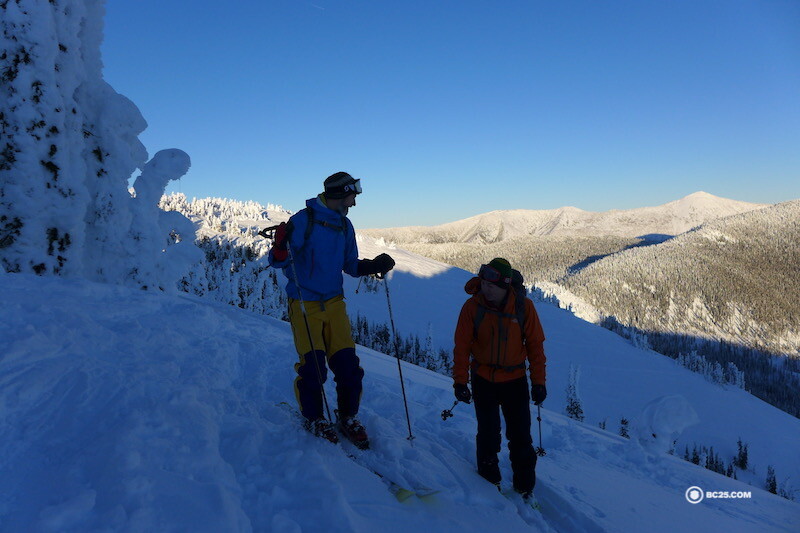
A warm January winter day in the Kootenays near Whitewate resort and Nelson BC.
I can see the changes in my own lifetime. When I was a kid growing up in Southern Alberta, there was a local ski hill called Wintergreen in Bragg Creek, only a 30 minute drive from Calgary. They used to open sometime in November, and I still remember, not that long ago, night skiing after school with plenty of snow (and it was always, I remember, very cold!) This hill closed in 2003 and many others in the area closed too, for lack of reliable snowpack.
Changing jacket design
The article from Outside magazine made me realize, of course, outdoor apparel manufacturers would also have to adapt to this trend of warmer winters. Their research shows that Stio, Columbia, The North Face and Mountain Hardwear have all adjusted their product lines to focus on midweight jackets. Mountain Hardwear, for example, their product line was mostly dominated with heavyweight, highly insulating jackets. Now the trend is towards jackets geared for milder conditions. This reflects the latest trend in consumer demand for clothing that’s more suited for multi-season rather than the extreme cold.
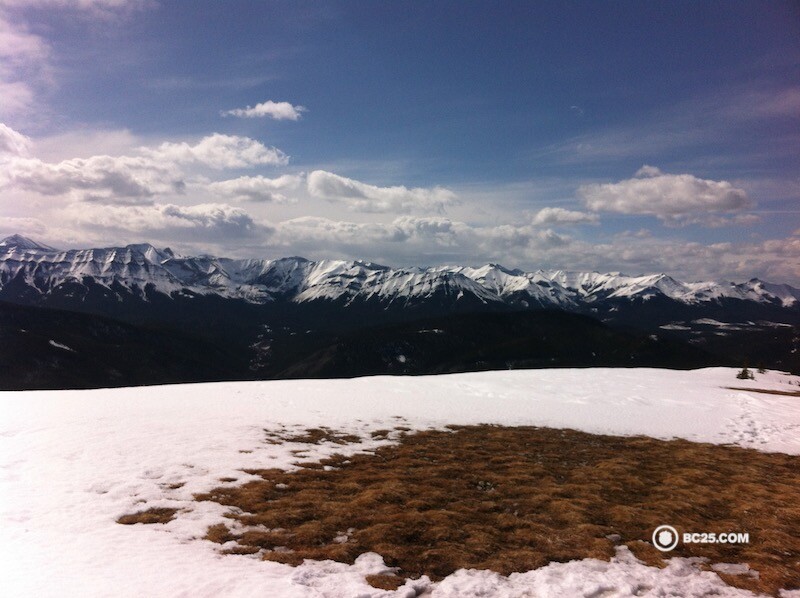
Winters are now a little bit shorter and a little bit milder.
Apparently, insulation manufacturers like Primaloft and Polartec have also modified their offerings, producing a thinner, more active breathable insulation.
According to Outside, the bulk of sales for Mountain Hardwear (about 60%) were from winter outerwear, and as of the 2015-16 winter season, this shrank to roughly 25%. Midweight and lightweight jackets have begun to dominate winter sales, making up about half of all sales revenue, and are growing. Their most popular jacket is the Ghost Whisperer, and it’s a great mid-weight down jacket suitable for year round use in the mountains (we reviewed the jacket here, read our review). Other manufacturers have also experienced increased demand for their mid and lightweight models of jackets.
This cold won’t last
Though out here, we’re just coming off a cold snap that is more typical of the region. When I was growing up, the cold temperatures and snow always hit at the beginning of October, and by October winter was in full swing. Now, many years we don’t see snow until a month later, and even in the mountains it doesn’t begin to accumulate until January. This latest cold snap we’ve had temperatures not going up above -20 for over a month, and now this feels unusual though this used to be the norm. I am definitely not used to such a long period of such biting cold (-30 is not fun!), but the truth is, it’s what it was like, regularly.
The temperature trend is definitely warming, and those of us who spend winters outdoors can generally notice it. The past ten years have been the warmest on record.
Do you notice changes in your area? Comment below.

- How to experience the world while isolated at home - April 21, 2020
- How to prevent and treat hypothermia - February 21, 2019
- How to layer with your down jacket - November 28, 2018
We write rarely, but only the best content.
