

9 Tips on Personal Hygiene While Backpacking
Backpacking is not the most glamorous of endeavors. Going days without a shower or proper utilities is common practice during a lengthy backpacking trip. Understand that you will be smelly, sweaty, dirty, and damp. However, to stay and feel (somewhat) clean while on the trail, here is a list of recommendations to consider to have fairly good hygiene while backpacking.
These hygiene tips are here to keep you from getting sick or getting an infection. Do not expect to be clean all the time. So, there is a level of filth you must accept while backpacking but this list will make it more bearable. If you are attempting a multi-week or multi-month hike, you cannot get by without showering. For long distance hikers, bath at least once every 7-10 days.
Are you ready to be the cleanest hiker on the trail? Practice these eight recommendations to maintain your hygiene while backpacking for days, weeks or months.
1. Use Hand Sanitizer
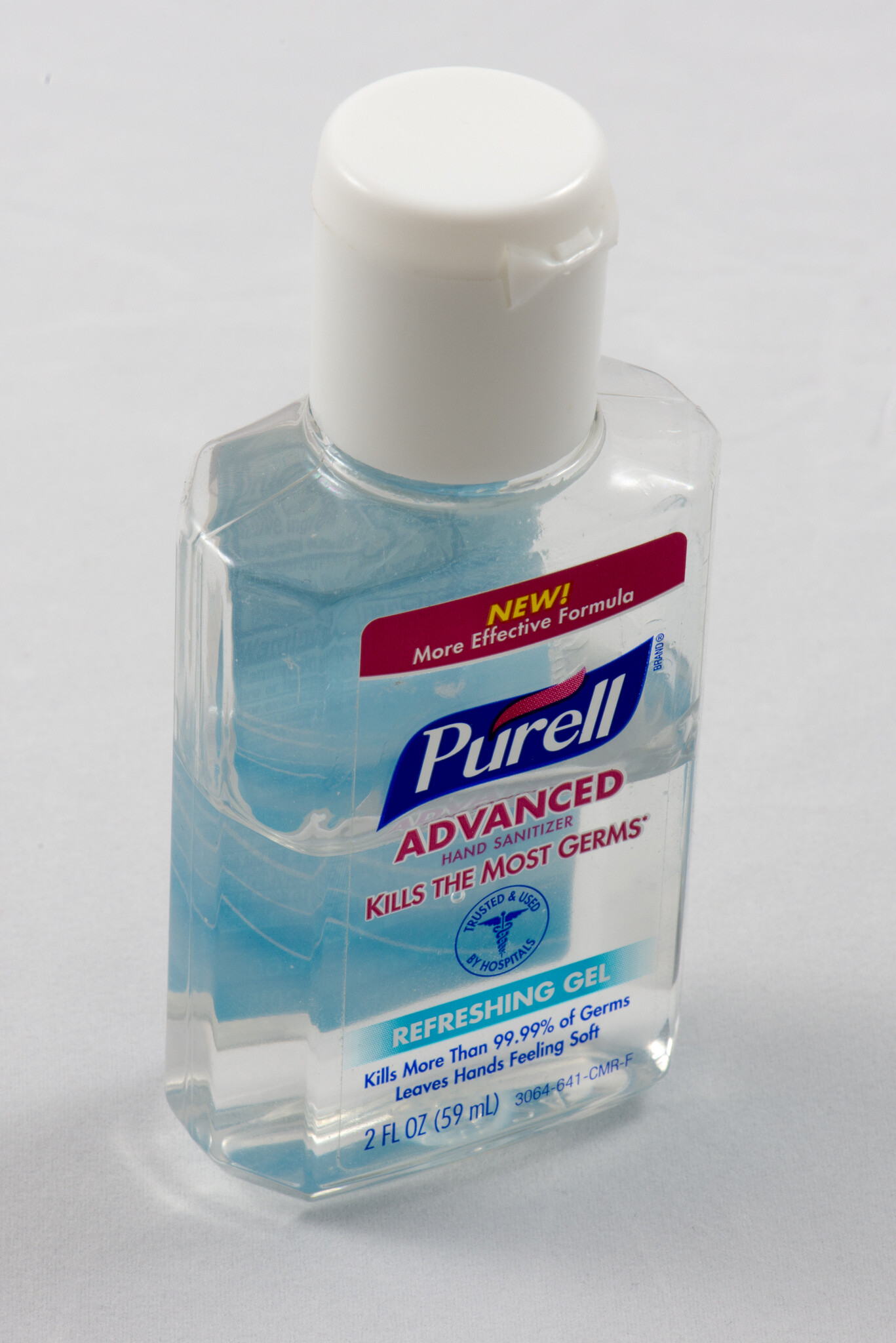
Travel-sized hand sanitizer / Photo Credit: D Coetzee via Flickr
Every backpacker should carry hand sanitizer. It is important to disinfect before eating or cooking and after bathroom time. Carry a travel size of hand sanitizer, preferably one without special/fruity scents (scented items can attract bugs and animals). Carry your travel size hand sanitizer in your hip belt for an easy grab while snacking on-the-go. Gel sanitizer kills germs on contact. Apply a dime-sized amount on your palm, rub hands, and then allow the gel to evaporate.
2. Carry Biodegradable Soap
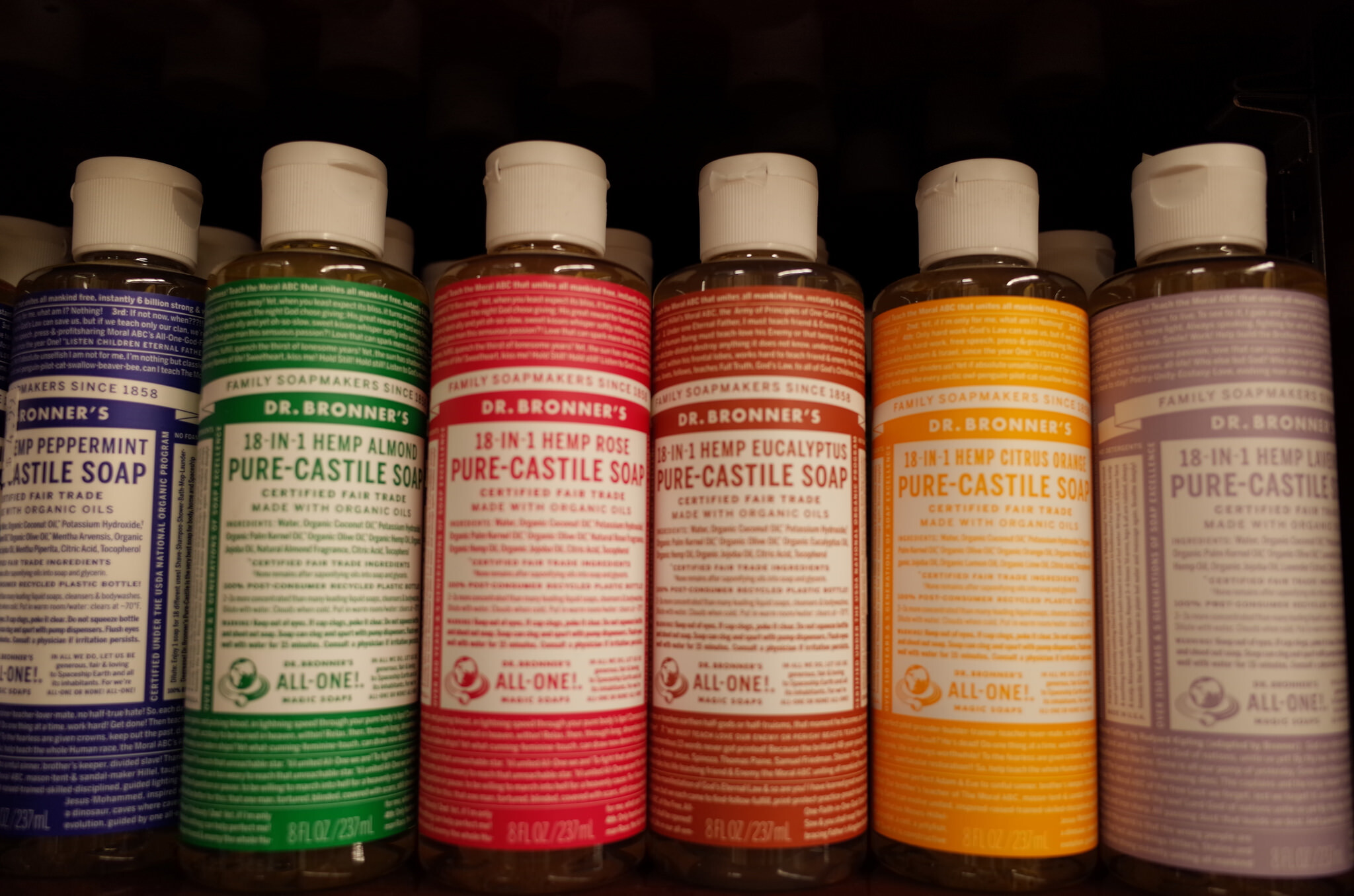
Dr. Bronner’s soaps / Photo Credit: aolin via Flickr
Use biodegradable soap to clean dishes, clean your body, and clean your clothes. Buy a scent-free liquid soap so you do not attract animals. Dr. Bronner’s, a common biodegradable soap, is an organic liquid soap that is extremely versatile. Dr. Bronner’s come in tiny travel size bottles and a variety of fragrances.
Remember to never use soap directly in a water source. If you do need to clean your clothes, dishes, or body, collect water from the source and then wash with biodegradable soap at least 200 feet away from a water source. Soap can impact lichen growth on rocks and increase algae growth in rivers and lakes. Therefore, always use soap away from the water source and let it absorb directly into soil, instead of a rock or another water source.
For an alternative to a complete bath, use a cotton bandana and soapy water to have a hiker sponge bath. If you do not intend to carry soap, baby wipes can be very beneficial for a quick yet effective alternative to bathing, Wilderness wipes from Sea to Summit work great . Remember to always pack out wipes.
Shop Biodegradable Soap
Shop Camp Soap
3. Air Dry
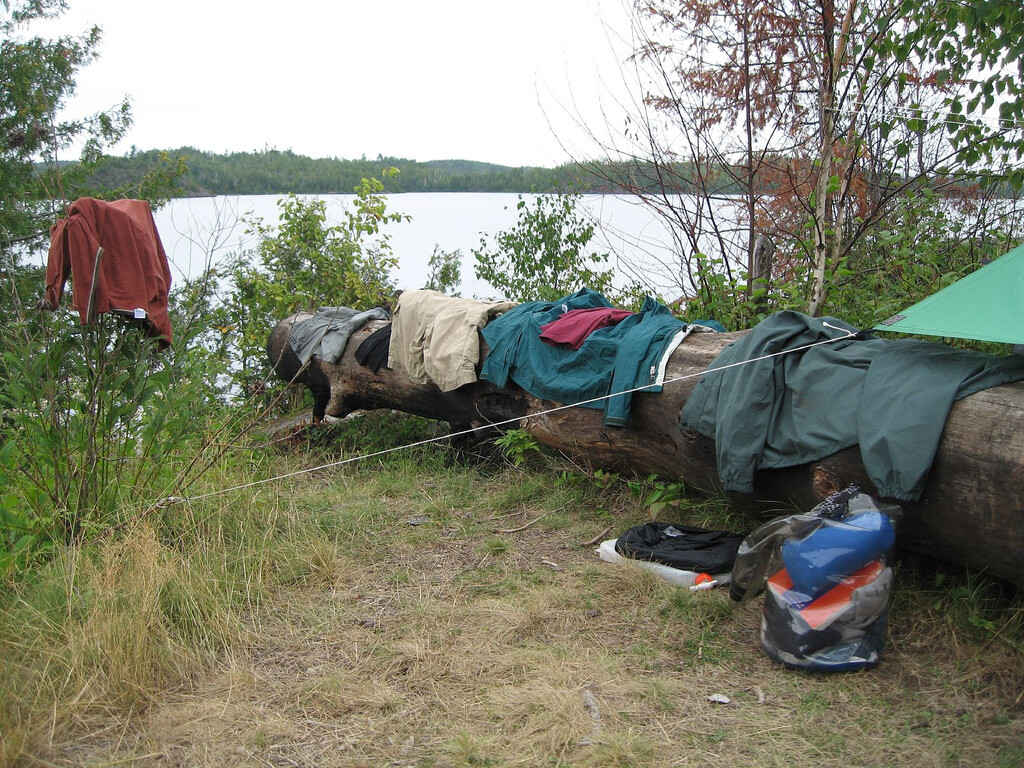
Drying clothes / Photo Credit: C.C. Chapman via Flickr
If you sweat a lot, backpacking in a humid environment, or hiking during a rainy day, you should always try to air dry your clothing out in the sun when the opportunity arises (the sun naturally disinfects). Furthermore, if you put your wet clothing in the bottom of your pack, you will have a mildew, smelly mess and one less clothing item to wear. Whenever you get your items wet or moist, hang them on the outside of your pack so they can at least get some air dry time if sun is not available.
To avoid smelly feet and athlete’s feet, take your shoes off during breaks to allow your shoes and socks to air dry. This will not only reduce odors but also reduce blisters. Learn more on how to avoid blisters altogether.
4. Bring Toothbrush and Toothpaste

Photo Credit: Lisa Risager via Flickr
Do not forgo bringing a toothbrush or toothpaste for weight’s sake. Travel with an average toothbrush (not a heavy electric one) and a small tube of toothpaste. There are a couple natural, biodegradable toothpastes on the market today that will be a lot more environmentally-friendly to the backcountry.
5. Carry Toilet Paper
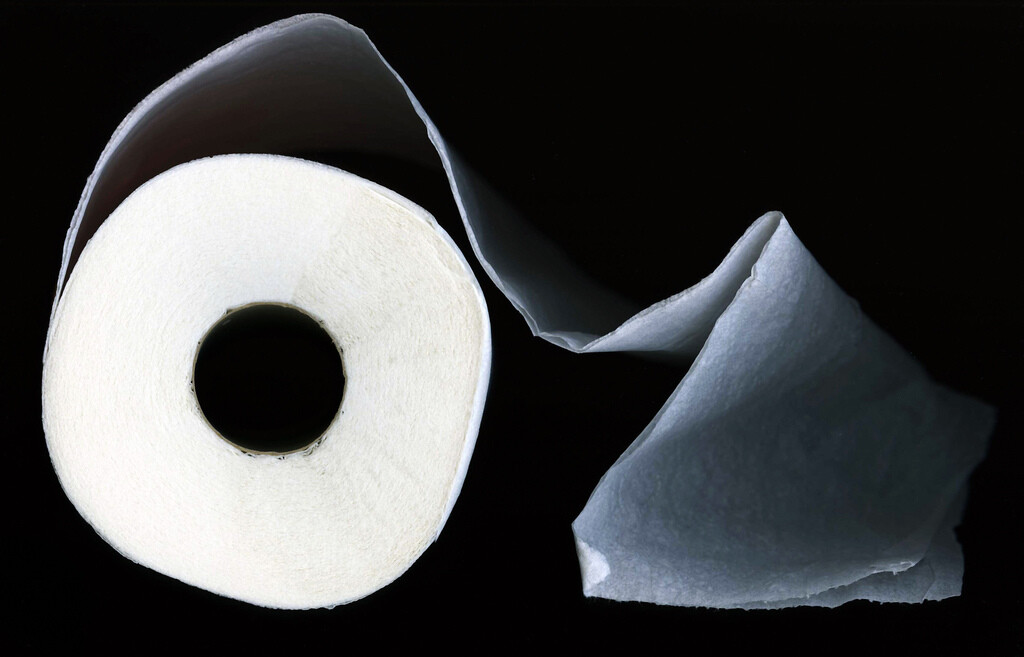
Photo Credit: Sharon Mollerus via Flickr
Never forget to bring toilet paper. Although some hikers do prefer the ‘leaf’ approach, this might not be the smartest idea during the winter, spring, fall, or in the desert or alpine. To have better hygiene on the trail, toilet paper and wipes should be used. If you do intend to bring wipes, always pack out wipes. Furthermore, always place your unused toilet paper in a plastic baggy (to reduce spreading germs and to protect the toilet paper if rainy). Some locations require you to pack out toilet paper as well. Always do a bit of research on the backcountry policies of the area you are interested in backpacking to know how to dispose of waste properly. Read up more on Leave No Trace policies.
6. Wear the Right Clothing
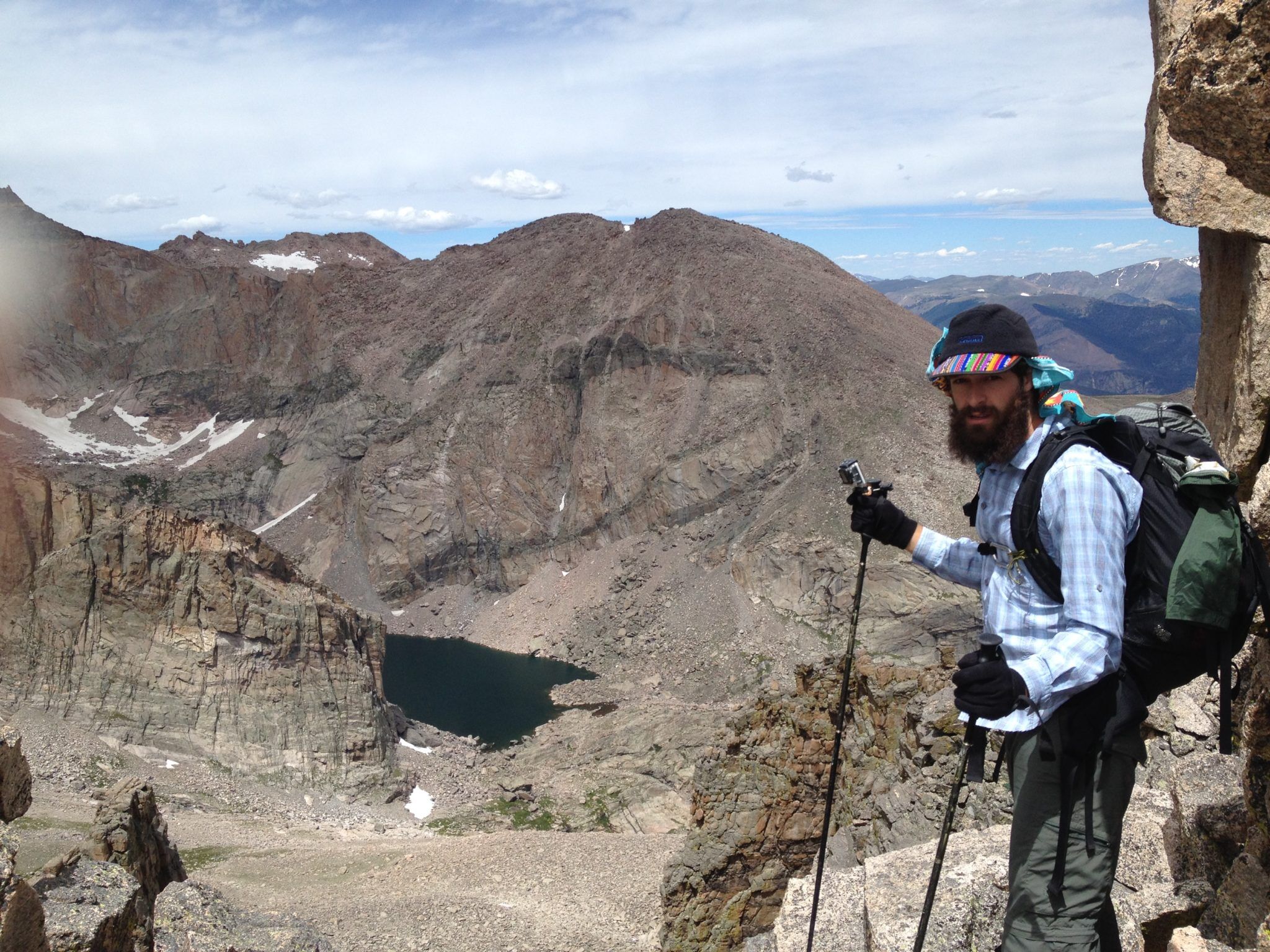
Loose polyester or wool clothing is perfect for hiking. Photo taken at the Iron Gates of Mount Meeker (13,911′) in Colorado, USA
While hiking and backpacking, you should avoid tight clothing and avoid cotton. Some tight clothing can irritate the skin for some hikers, and sweat doesn’t have the easiest time escaping and drying in tight clothing (unless it is moisture wicking), causing rashes, blemishes, and fungal issues.
Cotton should be avoided because this material holds in odors, dries slowly, and is heavy compared to poly-blend athletic clothes. Also, make sure to bring enough clothing (but not too much!). It is smart to bring breezy ‘camp clothes’ to wear at camp and to sleep in so that you aren’t wearing your sweaty hiker clothes to bed. Wearing dirty clothes to bed increases your risk of a skin rash or infection. When it comes to underwear, splurge on specialty underwear catered toward backpackers, hikers, and/or athletes.
Shop Hiking Shirts | Shop Hiking Pants | Shop Hiking Socks | Shop Travel Underwear
7. Rinse Your Hands
Photo Credit: Ray Wewerka via Flickr
Sanitizing gel is beneficial but rinsing your hands is just as important. Intestinal illness due to unclean hands is very common among backpackers. To reduce getting Norovirus or other intestinal viruses, rinse your hands in a water source, then sanitize. Or, better yet, wash your hands with soap and water 200 feet away from a water source.
8. Take a Swim

Taking a swim in Maine during an unusually warm fall season. Photo Credit: @madidragna on Instagram
Swimming can remove sweat and dirt that is usually on the skin after a long day of hiking with a pack. Do remember to never use soap directly in a water source, however. A swim (or even a downpour of rain!) can be a cleansing rinse.
9. Avoid Scented Personal Products
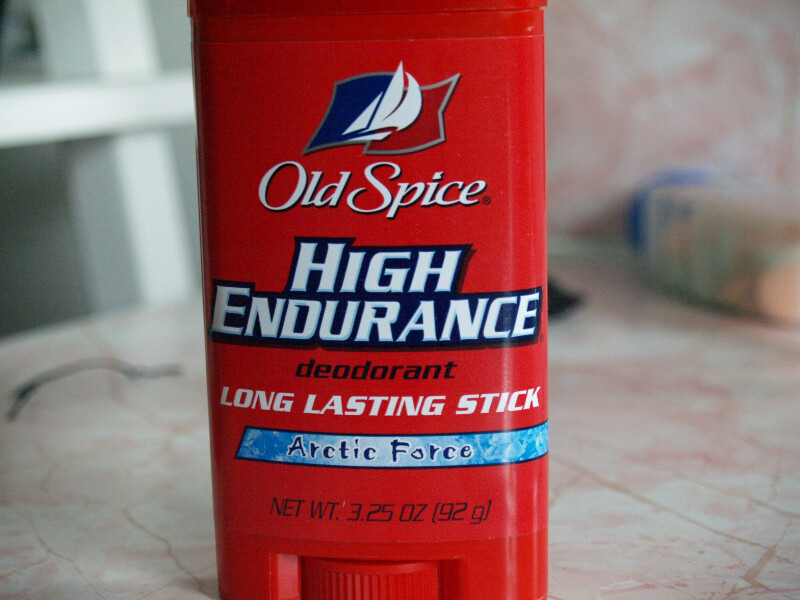
Photo Credit: Ron Dauphin via Flickr
Although this does not directly increase your hygiene level, this tip is necessary because, contrary to popular belief, scented soaps and deodorants will not do much for a hiker. Scented products such as lotions, soaps, and deodorant should be left at home. Yes, leave your deodorant at home. Scented products like this attract animals and bugs, add extra weight in your pack, and become less effective after a few days on the trail due to the fact that you are always sweating, wearing dirty clothes, and wearing a sweaty pack anyway. Hiker stink is inevitable while backpacking.
Embrace the backpacker mentality when you are out in the backcountry. You do not have to be 100 percent clean but at least hygienic enough to stay healthy and happy.
How do you stay clean on the trail? Put your tips and tricks in the comments below
Sources:
http://www.backpacker.com/skills/beginner/prof-hike-a-backpacker-s-guide-to-smart-personal-hygiene/
http://www.rei.com/learn/expert-advice/hygiene-sanitation.html

- 6 Ways to Avoid Tick Bites While Summer Hiking - June 21, 2017
- 8 Affordable Mother’s Day Gift Ideas for Outdoorsy Moms - May 8, 2017
- Best Hiking Watches Under $100 - April 26, 2017
We write rarely, but only the best content.
