

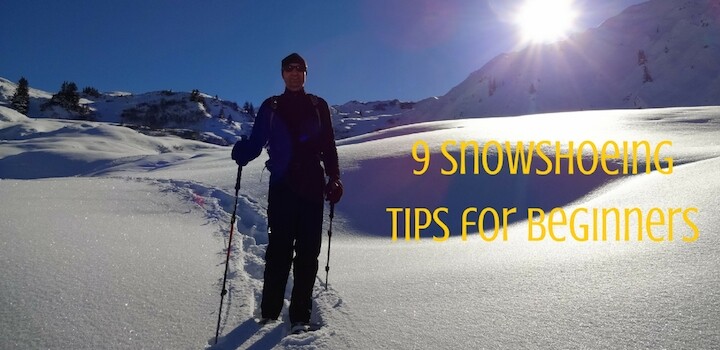
9 Snowshoeing Tips for Beginners
Winter is here! That means it is time to play in the snow. Now for those of you not ready to hit the slopes to ski or snowboard, there is still an easy and fun winter activity to enjoy this snowy season – snowshoeing. These nine snowshoeing tips are sure to be helpful for beginners new to this winter activity.
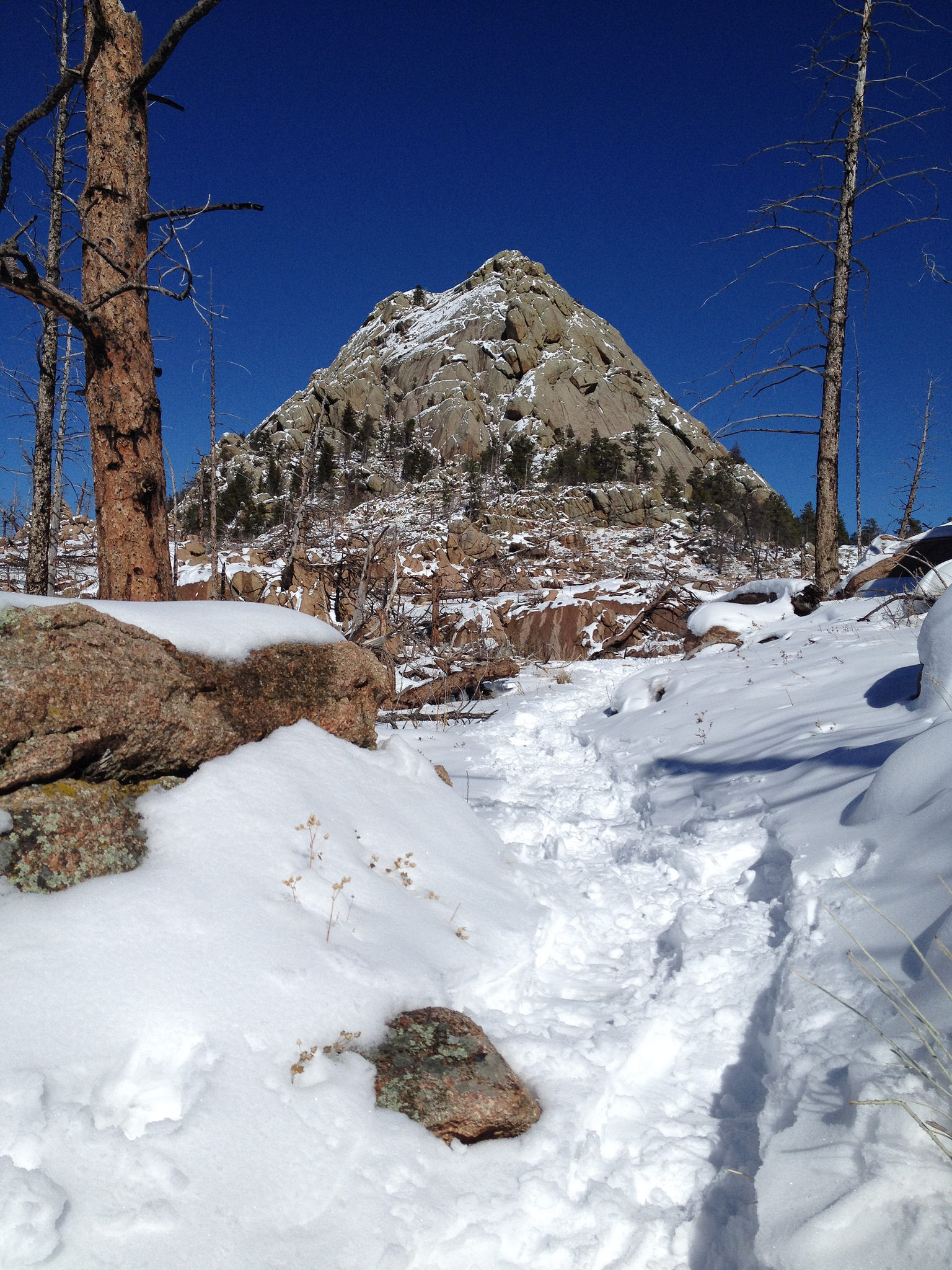
Photo Credit: Madison Dragna via Flickr
Snowshoeing might sound intimidating, however anyone that can walk can snowshoe! Snowshoeing is basically winter hiking in the snow. Wearing snowshoes prevents “postholing,” making it easy to walk on top of snow, instead of sinking deep into powder. Hopefully these nine snowshoeing tips will get you out in the snow this winter season.
1. Dress in Waterproof Layers
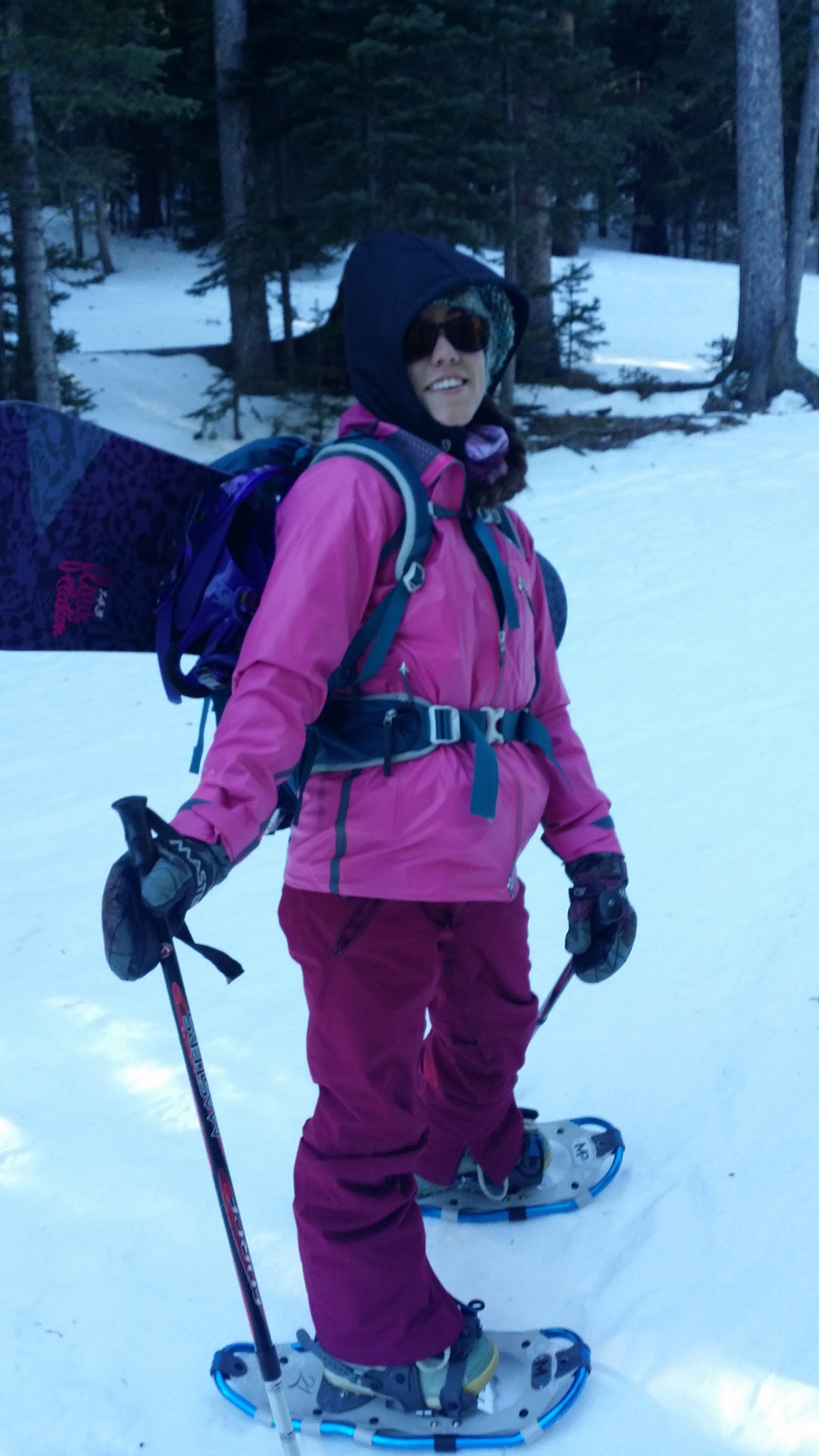
Photo Credit: Madison Dragna via Flickr
When it comes to any activity during the winter, always dress in layers with some type of waterproofing. Snowshoeing is a physical activity. Therefore you might feel heated while trekking in the snow. Alternatively temperatures may drop, so avoid getting cold with an insulating jacket, gloves, or a warm hat. Wear ski pants or a waterproof layer on the bottom. Refrain from wearing jeans or cotton pants, since snow can be quite wet. Invest in a great insulating jacket or sweater. Take a waterproof jacket with you for those wet winter storms that could hit.
2. Wear Waterproof Boots
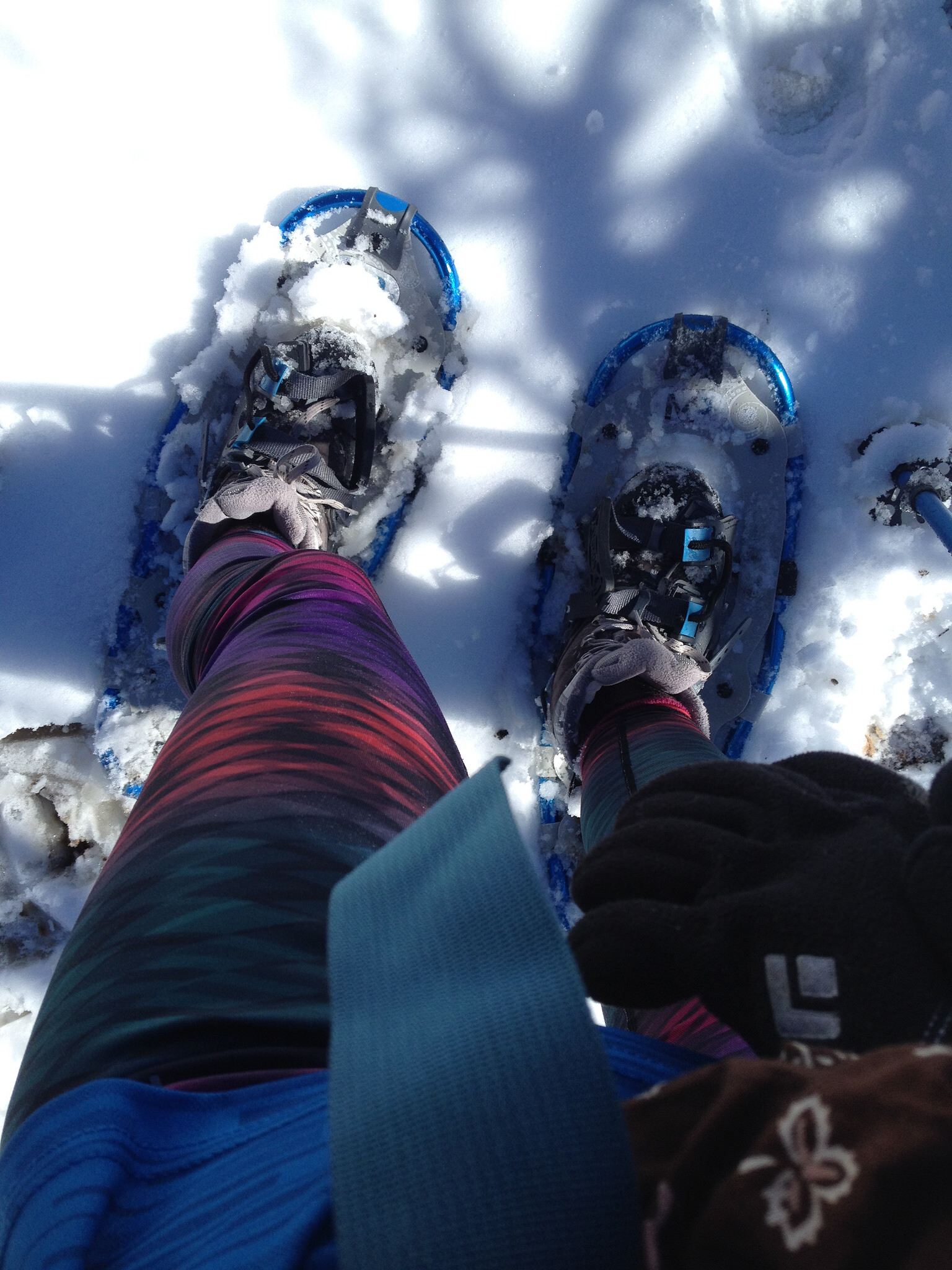
Photo Credit: Madison Dragna via Flickr
Boots are a necessity to properly wear snowshoes. Boots slide and buckle into snowshoes. The snowshoes literally act as an extension of your shoe. Although snowshoes are made to walk on top of snow, your feet still could come into contact with the white powdery stuff. Therefore it is highly recommended to invest in waterproof boots with great grip.
3. Protect Your Skin and Eyes
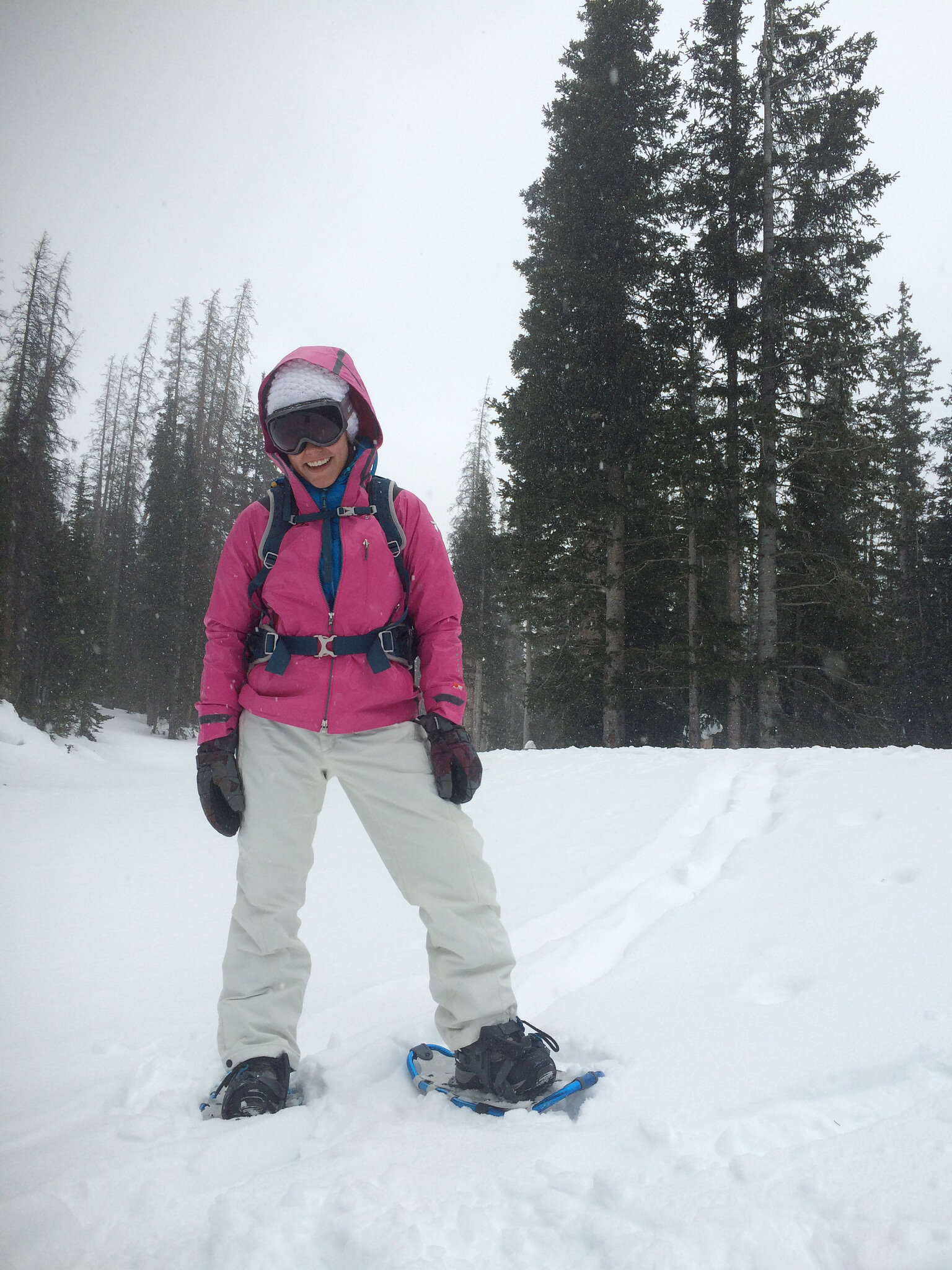
Photo Credit: Madison Dragna via Flickr
On a sunny winter day, the sun bounces off the snow. Although the sun’s rays are weaker during the winter, UV rays still come into contact with our eyes and skin when reflected off the snow. Therefore wear goggles (or sunglasses) and sunblock on your face to prevent sunburn and snow blindness.
4. Stay on Established Trails
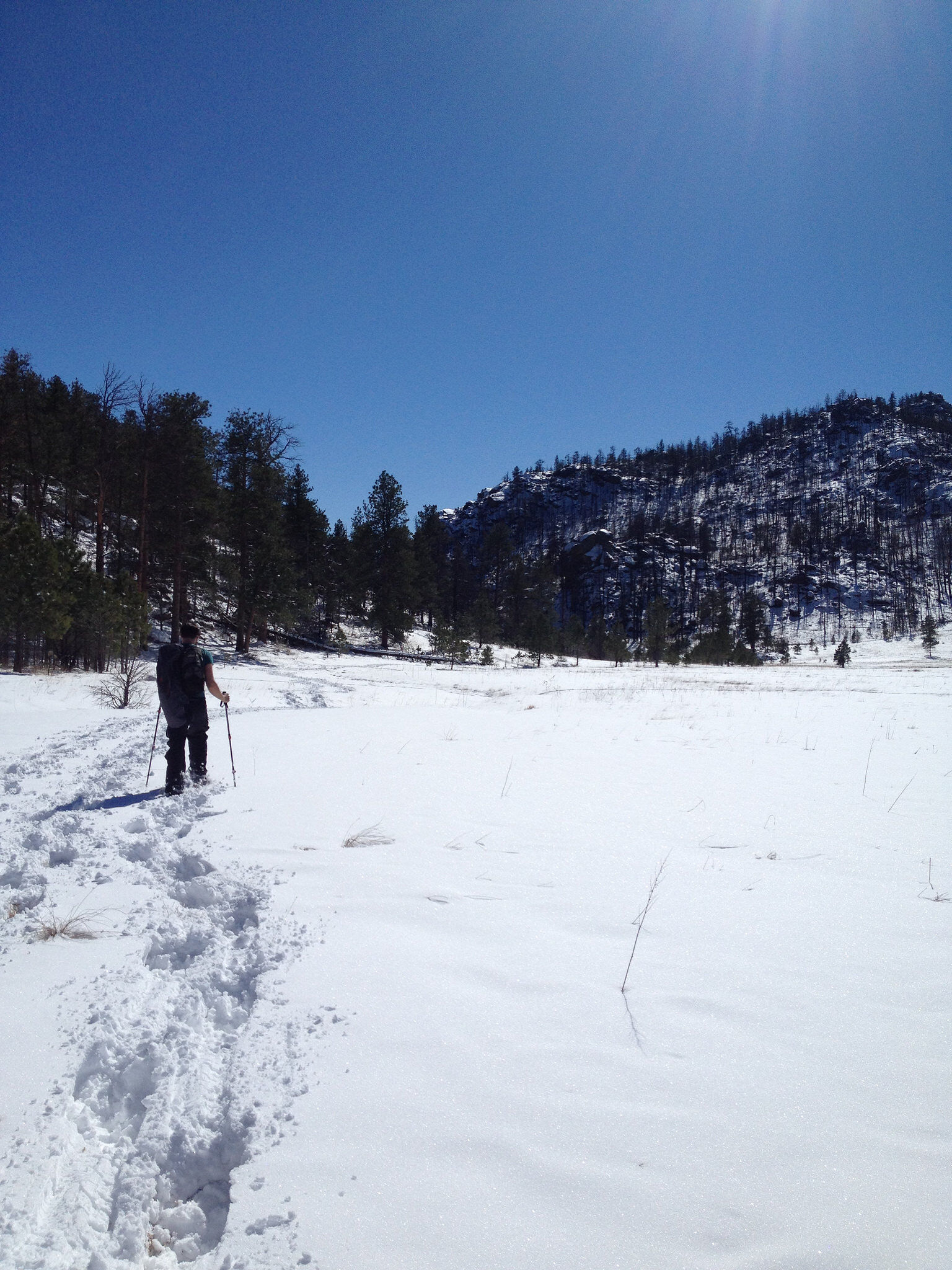
Photo Credit: Madison Dragna via Flickr
This snowshoeing tip is important for beginners. Many hiking trails can act as great snowshoe trails during the winter time. However do stay on established trails to avoid causing an avalanche. Unless you have had avalanche training, refrain from creating your own path. Stick to well-traveled and well-marked routes. There might even be some great guided tours in your area.
5. Use Trekking Poles
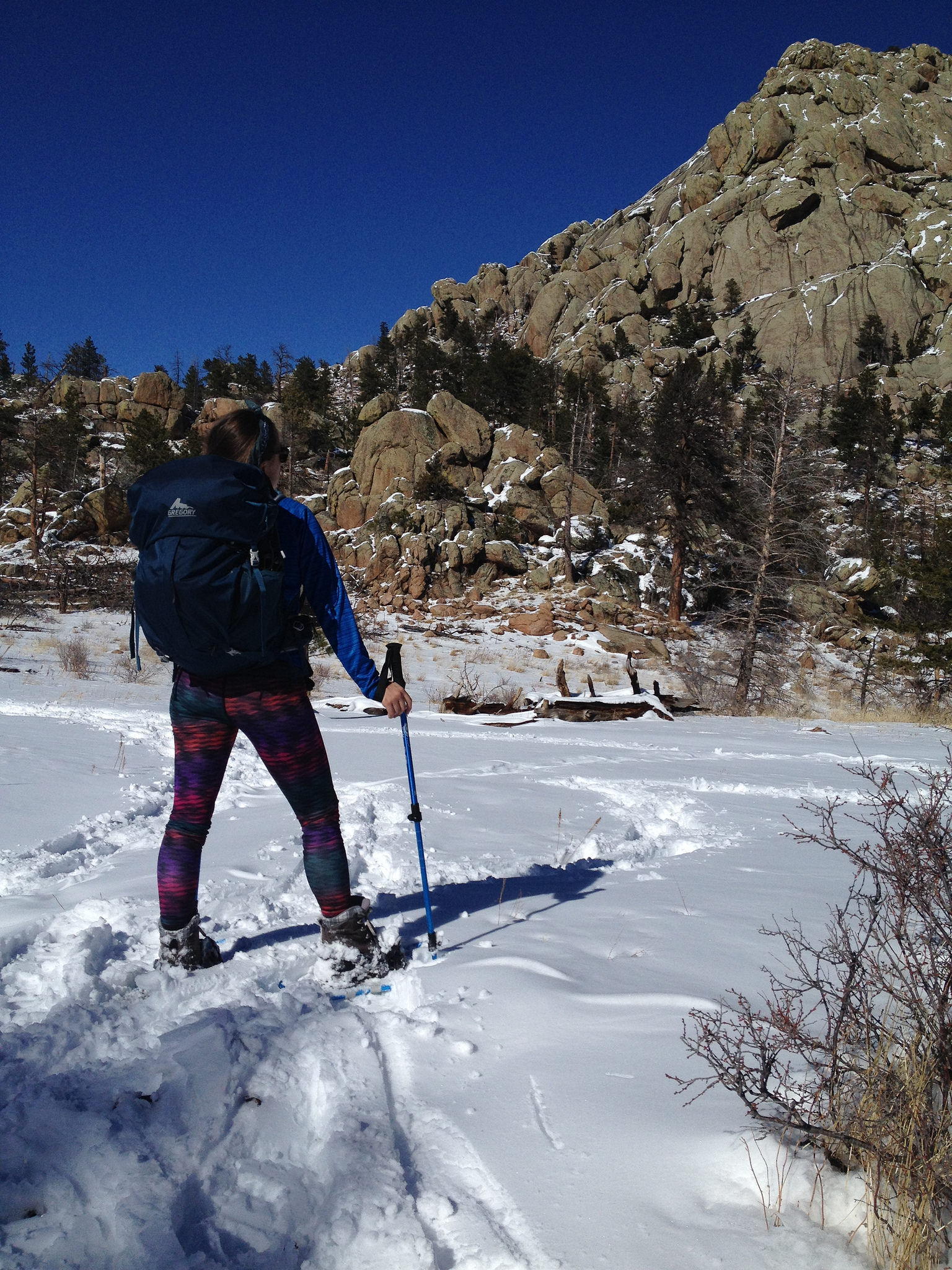
Photo Credit: Madison Dragna via Flickr
Now trekking poles might not be necessary while hiking or snowshoeing on flat terrain. But they really do come in handy while snowshoeing, since snow isn’t perfectly solid and ice can be slippery. As a result, poles are simply great to maintain balance. Use poles with “baskets” at the end so they don’t sink into the snow.
6. Walk With a Wide Stance
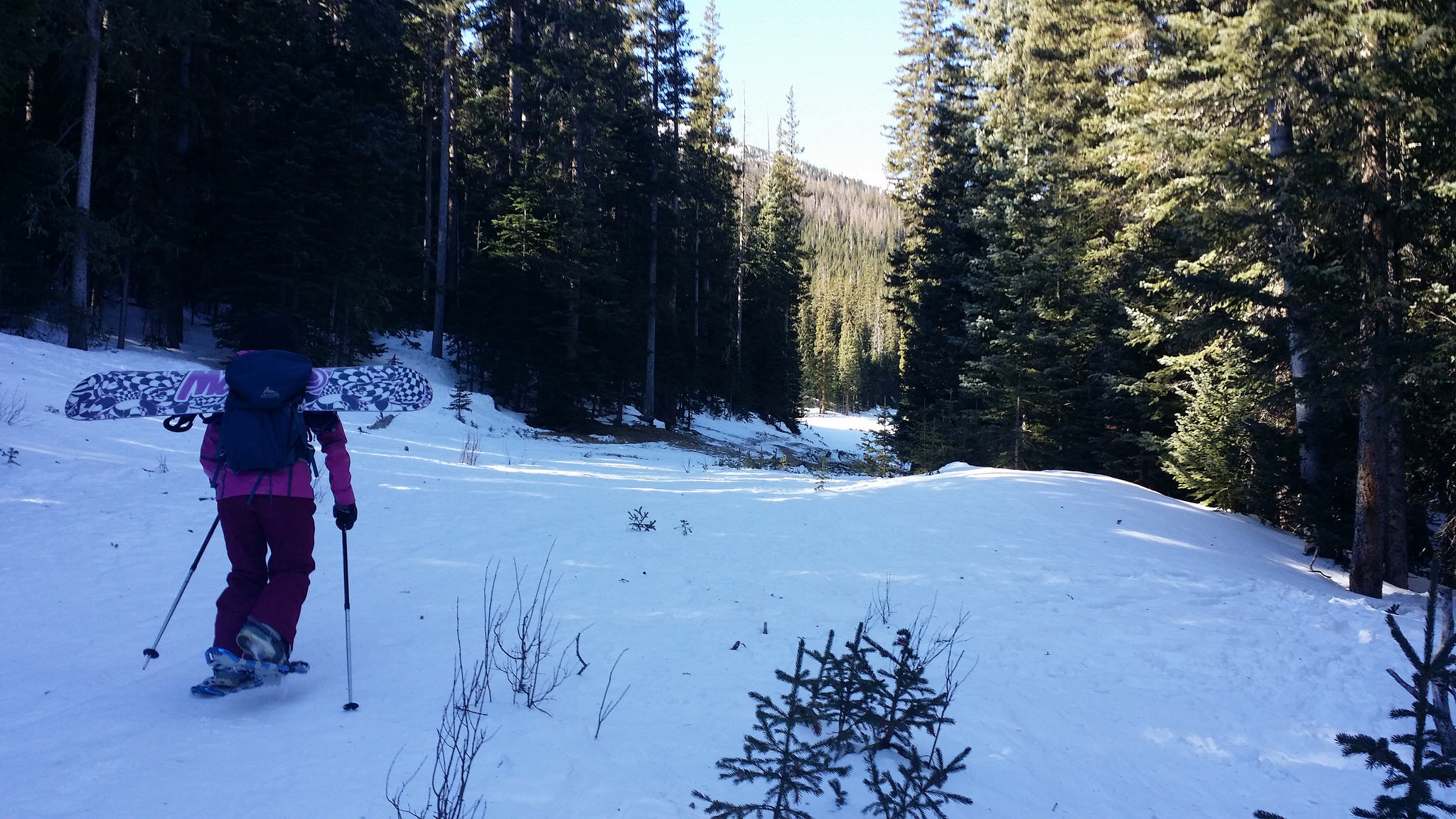
Photo Credit: Madison Dragna via Flickr
This snowshoeing tip is very helpful for walking in snowshoes for the very first time. Snowshoes can be a little awkward at first, since they are wider than your average shoe. Widen your stance a bit when walking in snowshoes. A wide stance will assure that you aren’t scraping the shoes together or stepping on the inside of the frames with every step. This will avoid falls and blunders.
7. Use the Right Snowshoes
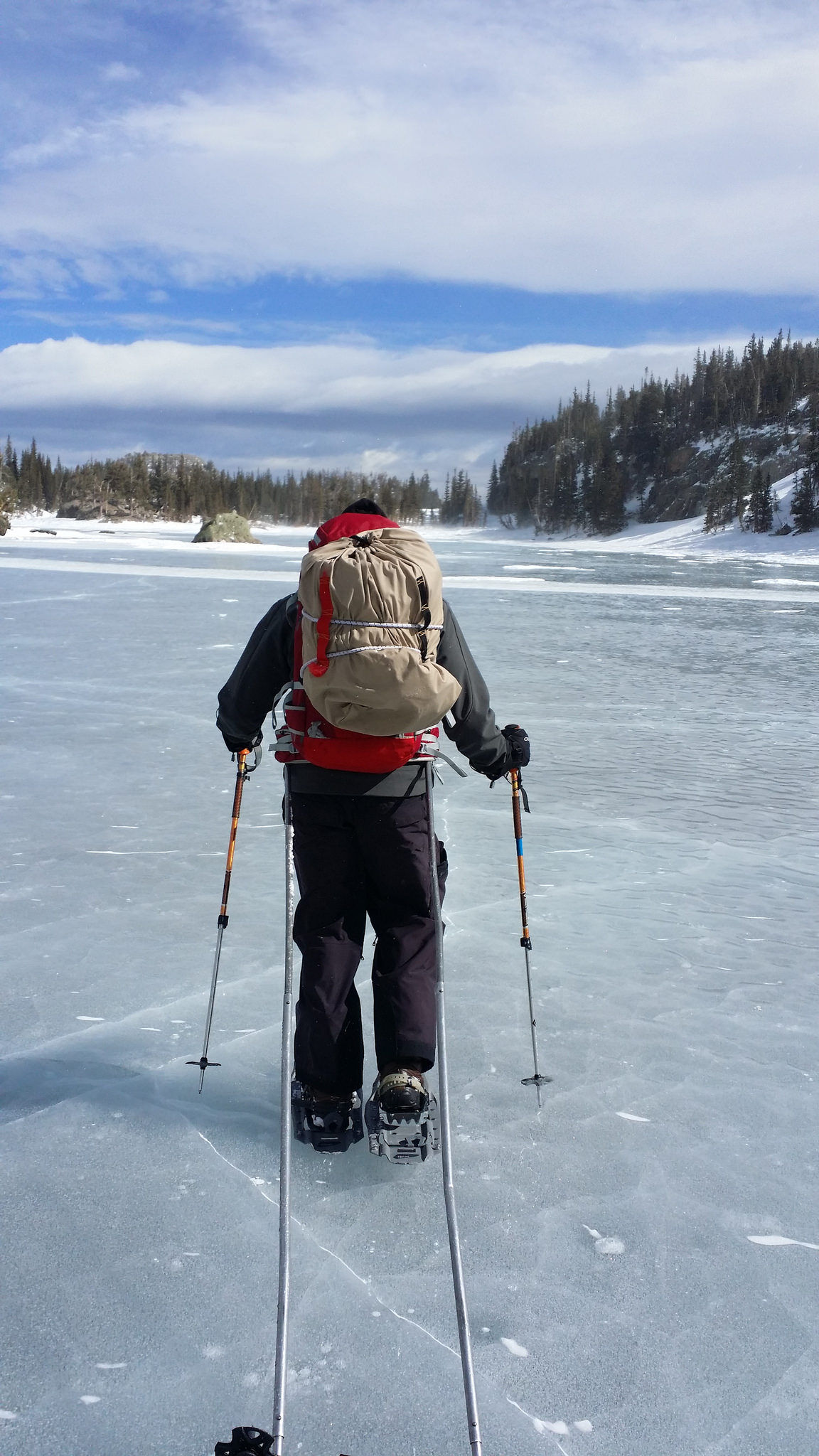
Photo Credit: Madison Dragna via Flickr
There are actually a few different types and sizes of snowshoes depending on terrain and your weight. Snowshoes are available for recreational hiking, backpacking and even running. If you truly are a beginner, I recommend renting shoes from a reputable and knowledgeable dealer or discussing with a well-advised salesman before making a purchase.
8. Share the Trail
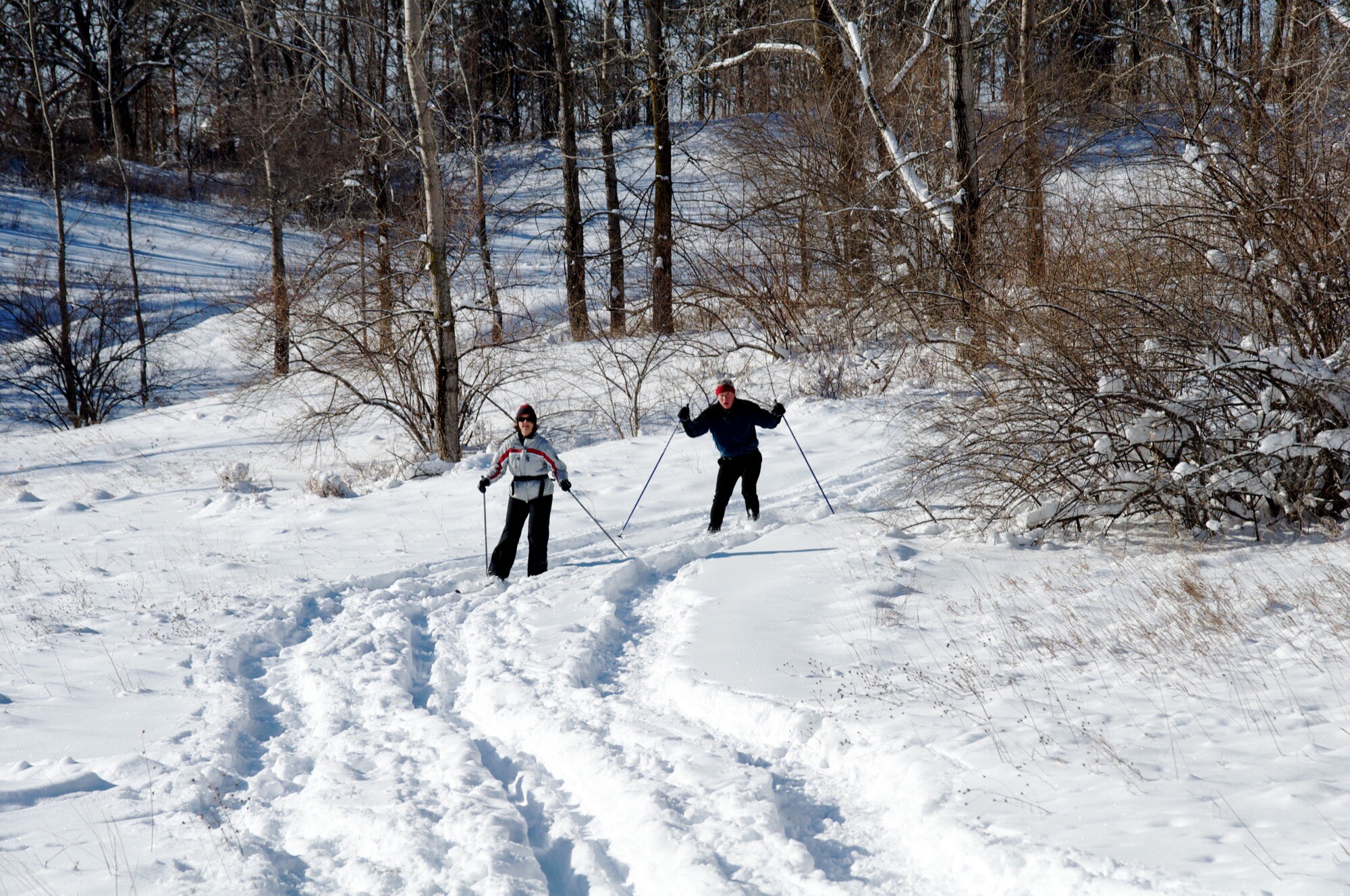
Photo Credit: Onno Kluyt via Flickr
Many snowshoe trails are also cross-country ski trails. Therefore be aware of skiers. Since it is easier for snowshoers to stop and step off trail, skiers have the right of way. Also, if possible, avoid stepping on skier’s smooth tracks.
9. Practice Going Uphill and Downhill
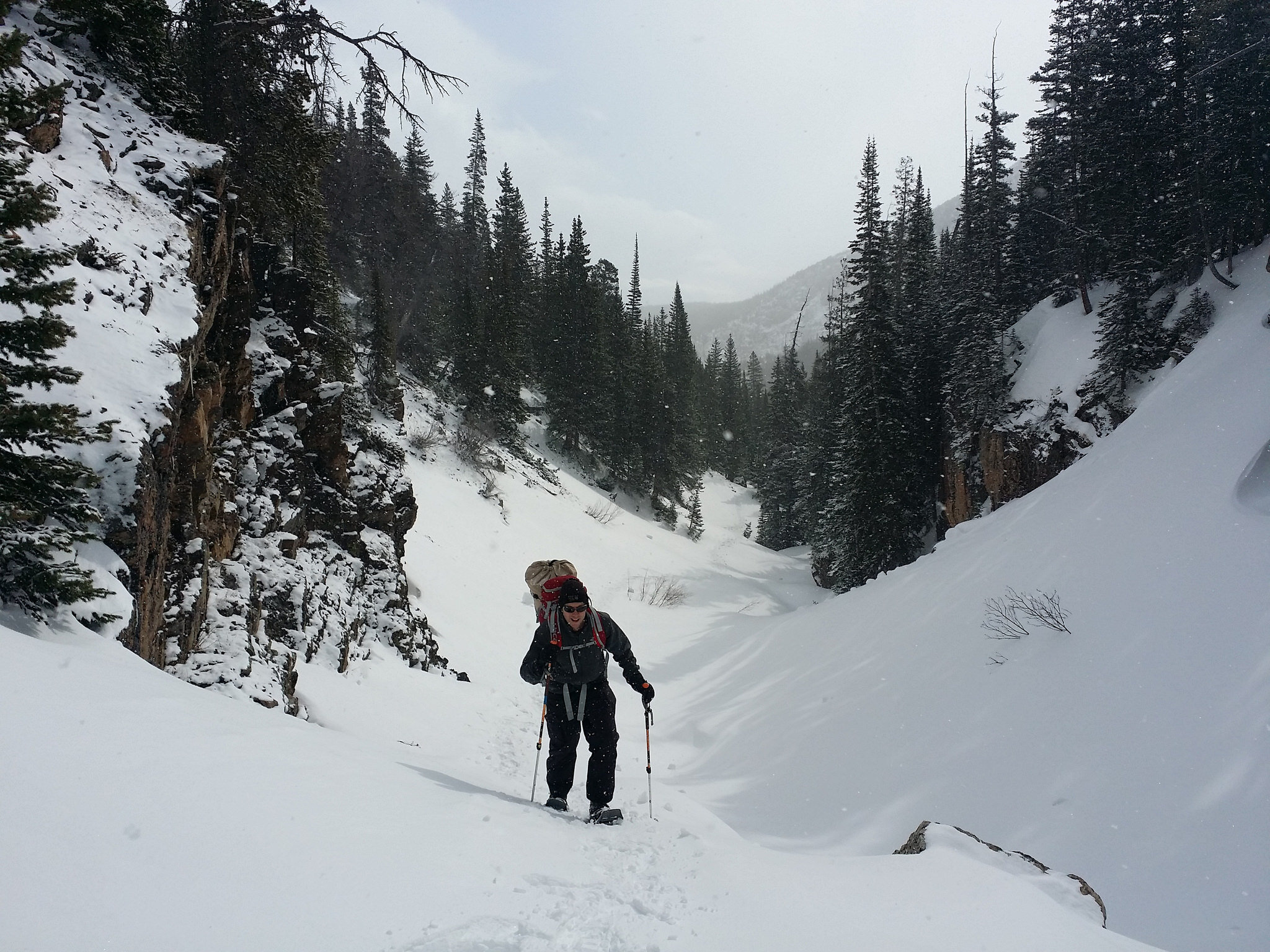
Photo Credit: Madison Dragna via Flickr
This snowshoe tip only applies on varying terrain, not flat trails. However do practice going uphill and downhill correctly in snowshoes. When going uphill, practice “kick stepping.” This technique involves kicking the front of your snowshoe into the snow, making sure the crampons secure into the snow or ice. This will ensure that you won’t fall back while ascending as you create steps for yourself going up. When it comes to going downhill, trekking poles come in handy here. Make sure your poles are in front of you but your body weight is situated back. Dig into the snow with your heel, and if possible, tackle the downward slope at an angle.
Snowshoeing is a great way to experience the great outdoors during the winter. Hopefully these snowshoeing tips for beginners will make you feel more comfortable during your first snowshoe trek.
Where are your favorite places to snowshoe? Tell us in the comments below!
Sources:
https://www.rei.com/learn/expert-advice/snowshoeing-first-steps.html
https://www.theadventurejunkies.com/snowshoeing-tips-for-beginners/

- 6 Ways to Avoid Tick Bites While Summer Hiking - June 21, 2017
- 8 Affordable Mother’s Day Gift Ideas for Outdoorsy Moms - May 8, 2017
- Best Hiking Watches Under $100 - April 26, 2017
We write rarely, but only the best content.
